

Solo Female Travel Tips 2026:
The Smart, Safe & Confident
Guide for Women Traveling Alone
Everything you need to plan, prepare, and actually enjoy your first—or fifteenth—solo trip as a woman in 2026.

Traveling alone as a woman can be one of the most empowering things you will ever do. It can also feel deeply intimidating—especially the first time. This guide exists to close that gap. It is not about convincing you to be fearless. It is about giving you the knowledge, tools, and mindset to travel smarter, safer, and with genuine confidence in 2026.
Whether you are planning a short solo weekend in a nearby city or a multi-week international adventure, the core principles are the same: prepare well, stay aware, trust yourself, and give yourself permission to enjoy it. Let us begin.
- Why Solo Female Travel Changes You
- Is Solo Female Travel Safe?
- What to Do Before You Book Anything
- How to Choose the Right Destination
- Budget Planning for Solo Trips
- Where to Stay and How to Choose Safely
- Airport, Arrival & Local Transport Tips
- Packing Smart Without Overpacking
- Digital Safety and Money Protection
- Eating Alone and Meeting People Wisely
- Common Mistakes to Avoid
- Sample Itinerary Ideas
- Experience-Based Advice That Actually Helps
- Final Solo Female Travel Checklist
- FAQ
Why Solo Female Travel Changes You
Solo female travel is not simply about seeing a new place. It is about seeing yourself differently—often for the first time. When you travel with a group, a partner, or family, every decision is shared: where to eat, what budget is acceptable, when to wake up, how much risk to take. Your preferences are always filtered through someone else's comfort zone. But when you travel alone, every single choice belongs entirely to you. That shift sounds small until you experience it.
The deepest change is internal. You stop waiting for someone else to be ready. You stop adjusting your preferences to match someone else's mood. You begin trusting your own instincts—and that has a way of carrying over long after the trip ends. Women who travel solo often report feeling more decisive, more self-reliant, and more comfortable with uncertainty in everyday life. Travel is the classroom. Confidence is the degree.
Another powerful shift: solo travel makes you more present. Without a companion constantly filling the silence, you begin observing more. You notice how a neighborhood changes from morning to evening. You remember the name of the café owner who smiled at you twice. You notice how your body responds to a place—whether it relaxes, feels curious, or quietly senses something is off. That kind of attention makes your travels richer and your instincts sharper.
Many women hesitate because they imagine solo travel must mean a dramatic backpacking journey across six countries. It does not. Your first solo trip can be a one-night stay in a city two hours away, a solo beach weekend, or four days in a destination you have always wanted to explore. The distance is irrelevant. The point is learning to move through the world on your own terms—and realizing you can.
Every decision you make alone—and handle well—adds to your confidence bank. Over time, that trust becomes automatic.
Without a companion, you observe more. You absorb the atmosphere, notice people, and remember experiences more vividly.
Solo trips reveal what you actually enjoy—museums vs. markets, fast cities vs. slow towns, hostels vs. quiet hotels.
Solving problems alone—missed trains, confusing maps, language barriers—builds resilience that stays with you forever.
Solo travel also teaches you your own tolerance for discomfort. Some women discover they love minimalist adventure travel. Others discover they are deeply happy with slow, comfortable, café-heavy trips through one city. Both are valid. Both are self-discovery. The most important thing is that you are learning your own map—not following someone else's.
Is Solo Female Travel Safe?
This is the first question almost every woman asks, and it deserves a real answer rather than a dismissive reassurance. The truth is nuanced: solo female travel can absolutely be safe—but safety depends on your destination, your planning, your habits, the choices you make in real time, and your willingness to remove yourself from situations that feel wrong.
Many travel articles fail women by going to one of two extremes. Some make solo female travel sound universally dangerous, which creates fear that stops women from going at all. Others make it sound effortless and risk-free, which can give beginners a dangerously false sense of security. The truth lives in the middle: most solo trips go well when planned with common sense and awareness. At the same time, women do face specific, real challenges in certain destinations and situations. Acknowledging that is not pessimistic—it is practical.

Preparation and awareness make solo travel safe—not fearlessness.
Personal safety on the road is usually less about dramatic danger and more about avoiding small bad situations before they escalate. That means not oversharing personal information with strangers you just met, not walking distracted with your phone visible in a crowded area, not drinking past your limits in an unfamiliar environment, and not assuming every friendly person is fully trustworthy. It also means understanding that feeling uneasy is always enough reason to leave.
Share your itinerary with at least one trusted person before you go. You do not need to check in constantly—just make sure someone knows where you are supposed to be.
Save offline maps and screenshots of your accommodation, emergency contacts, and transport options before you land. Never rely entirely on live internet access.
Keep emergency cash separate from your main wallet. A hidden second stash can save the day if your bag is lost or stolen.
Know the local emergency number for your destination. It is not always 911.
Choose arrivals during daylight whenever possible, especially in unfamiliar cities where you are navigating for the first time.
One of the most valuable travel skills you can develop is reading environments. A street can be technically safe on paper but still feel wrong at 10 PM when it is empty and you are tired. A taxi can be legally registered but still make you uncomfortable. A hostel can have high ratings but a poor vibe when you check in. Trusting your instincts is not paranoia. It is pattern recognition your mind is doing even before you can fully articulate it.
Here is the most important mindset shift around safety: stop thinking of it as one big decision you make before the trip. Safety is a series of small, ongoing decisions made throughout the entire journey. Choosing a central hotel. Booking the airport transfer in advance. Declining a second drink. Returning earlier than planned. Sitting near families on public transport. Sharing your location with a friend before a day trip. All of that is safety.
What to Do Before You Book Anything
Excitement has a way of making people rush. And rushing is where most of the preventable mistakes begin. Before you book a flight, a hotel, or a tour, pause and define the shape of the trip first. Ask yourself a few important questions: Is this a rest trip, an adventure trip, a confidence-building first solo trip, or a combination? Do you want nightlife, nature, art, food, or quiet? Are you comfortable moving between multiple cities or would a single base be more relaxing? What does "safe enough" actually look like for you?
Once you know the purpose of the trip, research your destination through the lens of your real needs—not only through beautiful photos. Look up how to get from the airport to the city. Study individual neighborhoods carefully. Check average daily costs. Research eSIM and local SIM card options. Find out whether card payments are widely accepted or if cash is essential. Note weather patterns during your travel window. Learn what the cultural expectations are around dress and behavior.
Common local scams targeting tourists. Known transportation strikes or public holidays that affect services. Neighborhood safety variations (a great city can have very mixed districts). Visa on arrival rules, processing times, and any vaccination entry requirements. Passport validity requirements—many countries require at least 6 months.
Another essential pre-trip step is knowing your non-negotiables. Maybe you always need private accommodation to sleep well. Maybe you refuse midnight arrivals. Maybe you require stable internet because you work remotely. Maybe you will only book hotels with a 4.3-star rating or higher based on women's reviews. These are not limitations—they are smart, self-aware boundaries that protect the quality of your trip.
Prepare your documents early. Check your passport expiry date, visa requirements, vaccination records if applicable, travel insurance documents, emergency contact list, card expiration dates, and the entry rules for your specific nationality. Save digital copies in cloud storage and keep offline copies on your phone. Print physical copies of key documents if your destination tends to have connectivity issues or if immigration procedures are known to be strict.
How to Choose the Right Destination
The best destination for solo female travel is not the most famous one on Instagram. It is the one that matches your experience level, comfort zone, budget, travel style, and specific goals at this point in your life. Choosing well makes everything else significantly easier.
| Experience Level | Ideal Destination Type | Examples | Why It Works |
|---|---|---|---|
| First-timer | Solo-friendly city with strong tourism infrastructure | Lisbon, Kyoto, Amsterdam, Singapore, Bali (Seminyak/Ubud) | Easy transport, clear signage, many accommodation options, English support |
| Some experience | Less tourist-heavy but still manageable | Tbilisi, Chiang Mai, Medellín, Porto, Split | Requires more navigation but highly rewarding; great solo traveler communities |
| Experienced | Complex or off-the-beaten-path destinations | Morocco, India, Vietnam countryside, Egypt, Peru | Richer cultural immersion; requires street confidence and stronger planning skills |
| Budget traveler | Southeast Asia, Eastern Europe, Central America | Philippines, Thailand, Albania, Guatemala | Low daily cost, excellent solo traveler networks, flexible accommodation range |
| Comfort traveler | Well-developed tourism with high standards | Japan, New Zealand, Iceland, Switzerland, Canada | Safe infrastructure, very organized, excellent solo-friendly amenities |
Language matters more than most guides admit. You do not need to speak the local language fluently, but you should be realistic about communication barriers. If a destination has both a significant language barrier and weak transport systems, that combination adds stress you may not need on an early solo trip. On the other hand, destinations with strong translation app support, tourist-friendly systems, and basic English communication can feel dramatically more manageable.
Weather and seasonality also affect safety and confidence in ways that are often overlooked. A beach town that looks dreamy online can feel eerie and uncomfortable if restaurants close at 7 PM and streets go dark early in the off-season. A city that is wonderful for walking can become exhausting in extreme heat when you are carrying luggage and navigating unfamiliar streets.
Budget Planning for Solo Trips
One of the toughest financial realities of solo travel is that you almost never split costs. No shared hotel room, no split taxi, no divided dinner bill, no shared airport transfer. Solo female travelers need stronger budgeting habits than group travelers—not because solo travel is necessarily more expensive, but because every cost lands entirely on one person.
| Budget Category | What to Include | Solo Travel Note |
|---|---|---|
| Transport | Flights, trains, buses, ferries | Check total cost including luggage fees—not just the base fare |
| Accommodation | Nightly rate × number of nights | Central, well-reviewed lodging often saves money on taxis and time |
| Food & Drink | Daily estimate × trip length | Include coffee, snacks, and tourist-area pricing inflation |
| Local Transport | Metro, buses, ride apps, taxis | Budget for tired-day taxi rides—you will use them |
| Activities | Booked tours + entrance fees + spontaneous extras | Add 20% buffer for unplanned things you will want to do |
| Connectivity | eSIM, local SIM card, roaming plan | Essential—never cut this to save money |
| Travel Insurance | Medical, cancellation, loss | Non-negotiable; the one cost that could save everything |
| Emergency Buffer | 10–15% of total budget minimum | Keep this truly separate—do not touch it unless necessary |
The single biggest budgeting mistake solo travelers make is optimizing only for the cheapest flight price. Cheap flights that land at 1 AM, force a complex transit connection, or require paid luggage on both legs can turn a "cheap" ticket into an expensive, stressful experience. True travel value is the total trip cost—not the headline flight fare.
Spend more on accommodation location. A central hotel saves taxi costs, reduces stress, and lets you walk home safely in the evenings.
Keep two separate emergency funds: one accessible (cash on hand), one protected (a separate card or account you do not routinely use).
One well-chosen guided tour early in the trip can be worth the money—it helps you understand the city layout and move more confidently and independently afterwards.
Track spending with a quick daily review—five minutes every evening is enough to stay on track without obsessing over every purchase.
Where to Stay and How to Choose Safely
Accommodation decisions shape your entire trip more than most people appreciate. A good stay gives you rest, security, easier movement, and genuine peace of mind. A poor stay drains your energy, affects your judgment throughout the day, and can make even a wonderful destination feel stressful and exhausting.
Location matters more than price alone. A cheap hotel thirty minutes from everything can end up costing you more in taxi fares, wasted time, and anxiety about returning after dark. For solo female travelers specifically, central and well-reviewed often beats cheap and isolated.
Read reviews with a focused eye. Look for patterns across multiple reviews rather than reacting to isolated dramatic comments. Are guests repeatedly mentioning: noise problems, unsafe surrounding streets, unhelpful or absent staff, broken or unreliable door locks, poor lighting in entrances or hallways, or confusing and complicated check-in procedures? These details matter far more than a beautifully styled lobby in the listing photos.
| Accommodation Type | Best For | Solo Safety Tips |
|---|---|---|
| Hotel (private room) | Privacy, security, predictable service | Check lockability of the room, front desk hours, and neighborhood after dark |
| Hostel (female dorm) | Budget travel, social connection | Confirm secure lockers, female-only dorms, and read recent reviews by women |
| Guesthouse / B&B | Slower trips, local feel, character | Ideal when hosts are vetted and communication before arrival is clear |
| Apartment Rental | Longer stays, kitchen access, more space | Confirm clear self-check-in, well-lit building entrance, and an emergency contact number |
| Boutique Hotel | Comfort traveler, design lover | Often excellent value vs. big chains; check location carefully on the map |
Once you arrive at your accommodation, take a few small but meaningful precautions immediately. Test the door lock. Understand how the entry system works. Identify the nearest convenience store, pharmacy, or ATM within walking distance. Note the safest walking route back from the main street. These are not dramatic gestures—they are practical orientations that help you feel grounded quickly.
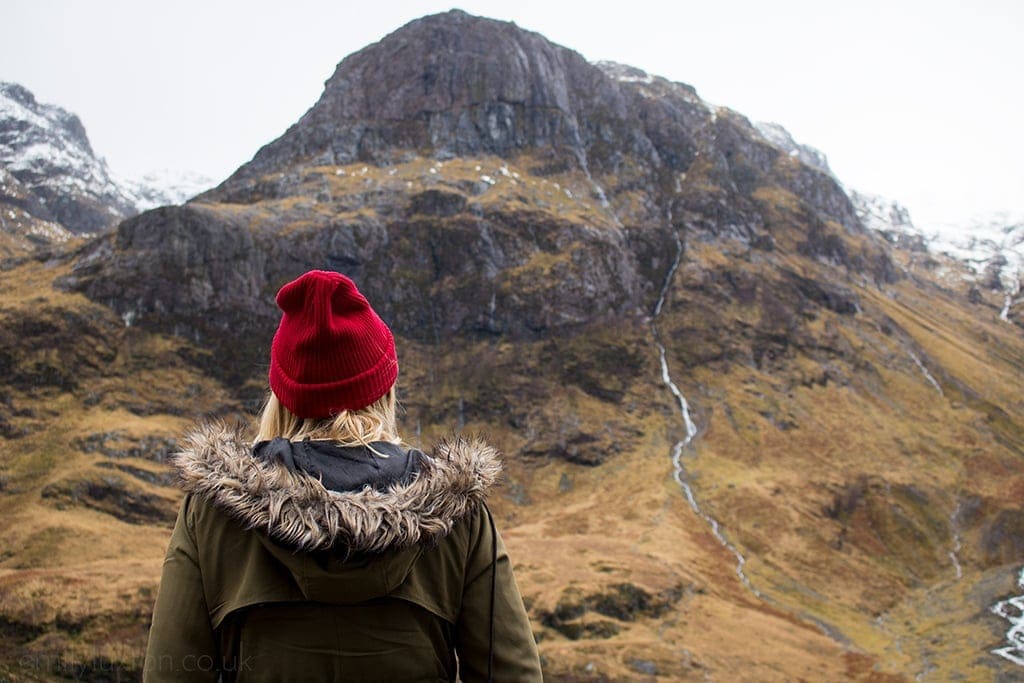
The right trip matches your style—not someone else's definition of adventure.
Airport, Arrival and Local Transport Tips
The first few hours in a new destination are often when solo travelers feel most vulnerable. You are tired from travel, carrying luggage, processing an unfamiliar environment, and expected to make good decisions while your brain is genuinely overloaded. This is exactly why arrival planning is one of the most valuable investments you can make before a solo trip.
Before leaving home, know precisely how you will get from the airport, train station, or ferry terminal to your accommodation. Ideally prepare at least two options: your primary plan and a clear backup. For example, airport rail first—licensed taxi second. Or hotel airport pickup first—official ride app second. Having a backup turns a potential crisis into a minor inconvenience.
Download offline maps (Google Maps, Maps.me) before you board. Screenshot your accommodation address and route from the airport—including the address in local script if the destination uses a different alphabet.
Get local connectivity quickly. Buy an eSIM before departure or have a local SIM plan ready. Being offline on arrival day multiplies stress enormously.
Use only official transport on arrival day. It is not the time to experiment. Pre-booked airport transfers, licensed taxis from designated airport ranks, or official ride apps only.
Sit in the back when using taxis alone. Share your trip status with a trusted contact when possible.
Public transport within cities can be excellent—especially in solo-friendly destinations—but timing matters enormously. A metro line that feels perfectly safe at 11 AM can feel very different at 11 PM when platforms are emptier, you are tired, and your judgment is slightly lower. Evaluate each situation in context, not only by general reputation.
For local movement throughout the trip, it is completely fine—and often smart—to take a taxi or ride app back to your hotel after a long day rather than forcing yourself through three train changes when you are exhausted. Solo travel confidence includes knowing when comfort and convenience are worth the extra cost.
Packing Smart Without Overpacking
Overpacking is one of the fastest ways to make solo travel physically and mentally harder. Heavy luggage slows you down at every transit point, makes stairs and crowded train stations more stressful, increases taxi dependence, and creates unnecessary chaos whenever you need to move quickly or efficiently. Packing smart is not about achieving the fewest items possible. It is about carrying exactly what makes your specific trip smoother.
| Category | Smart Solo Choices | Avoid |
|---|---|---|
| Clothing | Neutrals that mix easily, versatile pieces, proven comfortable outfits | New unworn items, "just in case" pieces that duplicate others |
| Shoes | Comfortable broken-in shoes you have worn before | New shoes—this is not the time to experiment |
| Bag | Anti-theft crossbody or daypack with lockable zippers | Open-top totes or bags that are easy to pickpocket |
| Tech | Power bank, universal adapter, offline-capable phone, earbuds | Excessive gadgets; every extra item is extra weight and worry |
| Documents | Physical + digital copies of passport, insurance, bookings | Originals in one place with no backup |
| Health | Small personal medicine kit with your actual essentials | Overloaded first-aid kit with things you will never use |
| Comfort Items | Sleep mask, favorite small skincare item, comfort playlist | Heavy books, large luxury items, anything that cannot earn its weight |
Valuables deserve their own strategy. Never keep your passport, all cards, emergency cash, and phone in a single bag or location. Split them across your main bag, your person, and possibly your hotel safe. Build small, layered protection into your packing system. If one layer fails, you still have others.
Finally, pack emotionally as well as practically. Include one or two small comfort items that genuinely help on low-energy days: a familiar skincare product, your preferred tea, a journal, a beloved playlist. Solo travel is deeply rewarding, but it can also feel intense and isolating at moments. A few comfort anchors help more than most people expect.
Digital Safety and Money Protection
Modern travel depends heavily on your smartphone. It is your map, boarding pass, translation tool, booking wallet, camera, communication device, and emergency backup. Protecting it—and the financial and identity information it contains—is no longer optional.
Use a strong lock screen. Enable device tracking (Find My iPhone or Google Find My Device). Back up your photos automatically where possible. Keep at least one paper copy or completely offline screenshot of essential bookings in case your phone dies or is lost. Never rely on a single digital point of failure for your entire trip.
Two payment methods, stored separately. One main card in your wallet, one backup stored differently—in your bag, hotel safe, or a hidden pocket.
Emergency cash in a separate place from your main wallet. A small hidden stash can be critically important if your wallet is lost or stolen.
Avoid public Wi-Fi for banking. Use your mobile data connection instead for any financial transactions. Consider a VPN if you travel frequently.
Notify your bank before travel. Some banks block foreign transactions for security. A quick notification prevents a stressful blocked card situation at the worst time.
Use two-factor authentication on all important accounts. Your email, banking, and booking accounts should never rely on a password alone.
On social media, think about what you post and when. Real-time sharing of your exact location, your accommodation name, or the fact that you are completely alone is unnecessary and potentially risky. Post with a slight delay when possible, and keep the specific details vague. Your followers do not need to know your hotel name.
Eating Alone and Meeting People Wisely
One of the biggest emotional hurdles for first-time solo travelers is eating alone in restaurants. It can feel surprisingly vulnerable—especially if you are used to dining out as a social activity. The good news is that this feeling almost always fades quickly once you realize that most people in a restaurant are focused entirely on their own meals, their own conversations, and their own lives. Nobody is watching you as closely as you imagine.
Start gently if needed. Choose casual breakfast cafés, food halls, outdoor market stalls, or lunch spots with counter seating. Window seats, bar counters, and casual neighborhood restaurants often feel easier than formal dinner settings at first. Bring a small notebook, read, or simply enjoy the pleasure of observing a room without having to perform conversation.
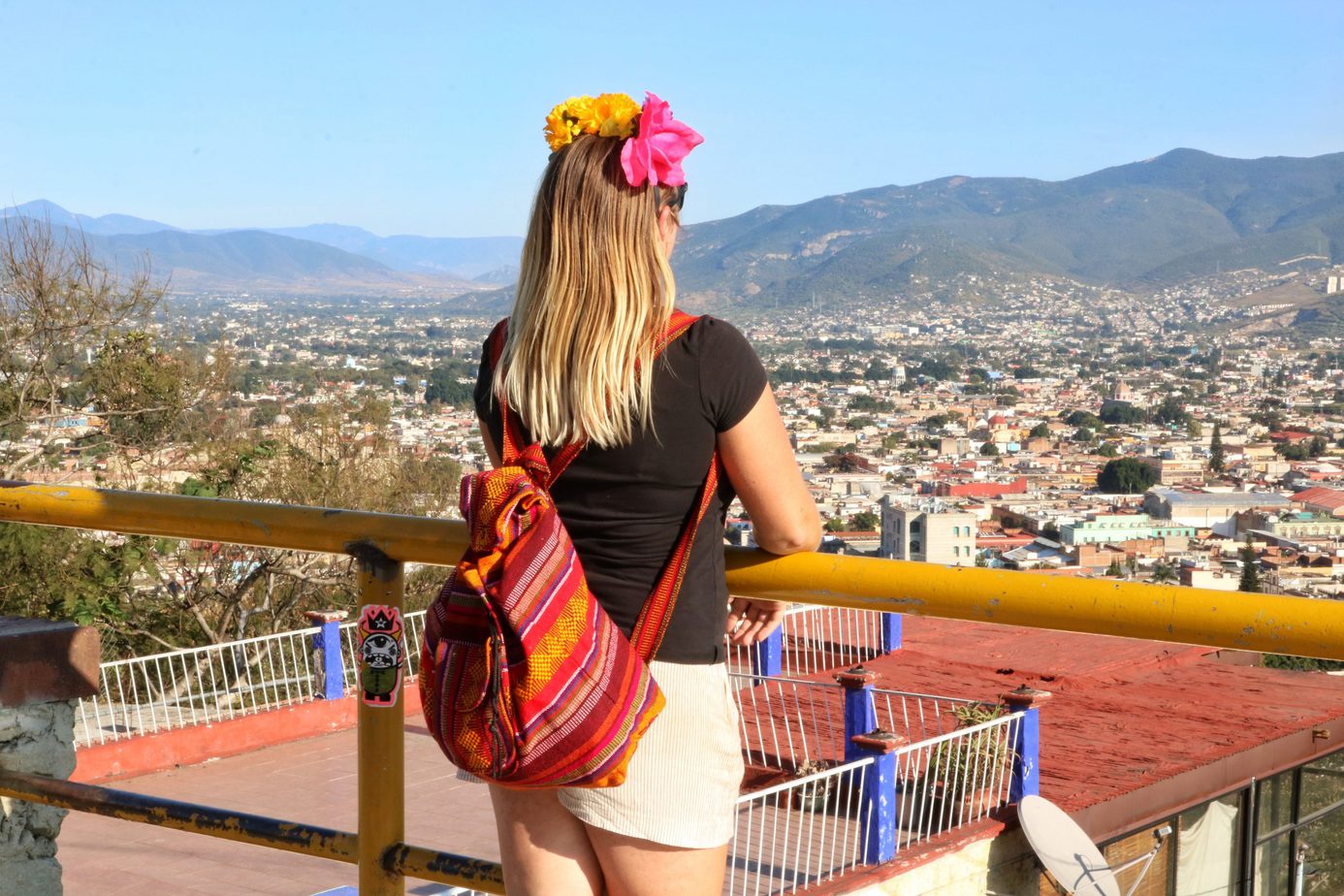
Solo dining becomes one of the best parts of the trip once you relax into it.
Dining alone can actually become one of the most unexpectedly satisfying parts of solo travel. You choose exactly where you want to eat, without compromise. You linger when you love a place. You leave when you do not. You notice flavors and atmosphere more keenly. You remember the room, the neighborhood, the music, and how you felt in that specific moment—because the memory belongs entirely to you.
Meeting people is a wonderful part of solo travel, but it works best when done with genuine judgment rather than pure social pressure. Group activities like walking tours, cooking classes, day trips, cultural workshops, and yoga sessions are often far better places to make connections than random bar encounters. Shared structured activities create a natural social framework that is safer, easier, and more likely to result in real friendships.
Keep personal details private with new acquaintances at first. You do not need to share your hotel name, room number, exact daily itinerary, or the fact that nobody knows where you are. Friendly and open does not have to mean fully transparent.
It is also completely acceptable—and sometimes preferable—not to be social at all. Some solo trips are about connection. Others are about hearing yourself think again. Both are valid. Do not feel obligated to collect people.
Common Mistakes to Avoid
The most expensive and stressful solo travel mistakes are usually preventable ones. Here are the patterns that come up most consistently—and how to avoid them.
A cheap room far from everything costs more in stress, taxis, and unsafe late returns than the money saved.
Packing every day to capacity leads to exhaustion, bad decisions, and far less enjoyment. Leave breathing room.
Tired travelers take shortcuts, lose focus, and become easier targets. Sleep is a safety decision.
Telling new people your hotel, your room number, or that you are completely alone is unnecessary. Protect your privacy naturally.
Arrival day should be easy. Get in, settle, eat nearby, and sleep. The city can wait until Day 2.
Awkwardness is better than danger. If someone makes you uncomfortable, leave—switch seats, walk into a shop, call someone.
Two more mistakes worth calling out specifically. First: posting your exact location and solo status publicly in real time. This is an unnecessary advertisement of vulnerability. Post with a slight delay and keep details vague. Second: believing that nervousness before your first solo trip means you should cancel. Pre-trip anxiety is almost universal. The goal is not to eliminate fear—it is to prepare enough that fear becomes manageable. Those are very different things.
Sample Itinerary Ideas for Solo Female Travelers
Confidence often comes from being able to picture what a solo trip actually looks like in practice. Below are three structured frameworks you can adapt to your destination and comfort level.
1. The First-Time Solo Weekend City Break (4 Days)
Arrive in daylight. Check in, unpack lightly, locate the nearest café, ATM, and pharmacy. Take a slow 20-minute walk around your immediate block. Have a simple dinner close to your hotel. Sleep early. Tonight's job is orientation—nothing more.
Start with a walking tour or hop-on-hop-off activity to understand the city layout before going off-plan. Visit one major sight. Stop at a local café. Browse a market. Return to your hotel before dark if you are still building confidence—then head out for dinner nearby if you feel ready.
Choose one special activity: a museum, cooking class, scenic viewpoint, or day spa. Keep the afternoon loose. This is the day you truly feel what solo travel is like when the pressure drops.
Slow breakfast. A short final walk or browse. Departure with a generous buffer—no rushing on the last day.
2. The Slow Solo Coastal Escape (5 Days)
Transfer directly to a walkable guesthouse or hotel near the water. Rest completely. Sunset walk. Outdoor dinner. No agenda.
Morning swim or beach time. Long lunch. Read. Swim. Journal. The entire purpose of Day 2 is decompression—not productivity. Let yourself be still.
Join a boat trip, coastal hike, snorkeling excursion, or cultural tour. Organized daytime experiences are one of the easiest and safest ways to meet people without relying on nightlife.
Café hop. Visit a viewpoint. Explore one more neighborhood. Or simply rest more. You decide—and that is the point.
One last meal you genuinely wanted. Depart unhurried and full.
3. The Confidence-Building Multi-City Solo Trip (7 Days)
Start in the most straightforward city. Stay central. Learn the metro. Build daytime routines. Visit key sights without rushing. By Day 3, the city should feel familiar—not foreign.
Pre-book your inter-city transport. Keep your schedule light after arrival—check in, rest, orient, and eat simply. Do not try to do both cities in one day.
Add one more advanced solo activity: a day trip, evening cultural event, or longer excursion. By now, your confidence is noticeably higher—you have already navigated one unfamiliar city successfully.
Leave space to reflect before leaving. Multi-city solo trips are less about seeing everything and more about learning what styles of movement work for you personally.
Experience-Based Advice That Actually Helps
There is a meaningful difference between theoretical travel advice and useful travel advice. Theoretical advice sounds organized on paper. Useful advice is what still helps when you are tired, mildly anxious, and standing on a train platform with one bag slightly too many.
Do not schedule your first evening too tightly. The emotional energy of arriving alone is often larger than expected. Even if you are genuinely excited about the trip, you may feel a strange quietness for the first few hours. That is completely normal. Build gentleness into the beginning of any solo trip—not pressure.
If something feels wrong, change one small thing immediately. Move seats. Order takeaway instead of dining in. Take a taxi instead of walking in the dark. Call someone while you walk. Travel confidence is not about enduring discomfort to prove something to yourself.
One good day can transform the whole trip. Sometimes the first day feels awkward and slightly disorienting. The second day, when your room feels familiar and you know where the good coffee is, can feel completely different. Give yourself enough time to settle before judging the experience.
Not every solo trip needs to become a bravery story. Some of the best solo travel moments are the quiet ones: buying fruit at a local market, walking back to your hotel just before golden hour, finding a café you return to twice because you genuinely loved it, noticing you solved a small logistical problem without panicking. Those moments matter more than dramatic adventure.
A little discomfort is not a signal that you are doing it wrong. Some uncertainty is woven into every meaningful travel experience. The goal is not a perfectly smooth, friction-free trip. The goal is a trip that stretches you just enough to grow, while keeping you safe and genuinely enjoying yourself most of the time.
Final Solo Female Travel Checklist
Before your trip, work through this checklist. If you can answer yes to most of these, you are in a strong position.
Before You Book
- I have researched the destination through the lens of my current experience level.
- I know the airport-to-accommodation transfer options in detail.
- I have checked recent reviews written specifically by solo female travelers.
- I have reviewed neighborhood maps and understand which areas to avoid after dark.
- I have a clear understanding of visa requirements and entry rules.
Documents & Money
- My passport is valid for at least 6 months beyond my travel dates.
- I have travel insurance that covers medical emergencies and cancellation.
- I have digital AND physical backup copies of key documents.
- I have two separate payment methods stored in two different locations.
- I have emergency cash kept separate from my main wallet.
- I have notified my bank of my travel dates and destinations.
Safety & Communication
- At least one trusted person has my full itinerary.
- I know the local emergency number for my destination.
- I have offline maps downloaded and accommodation details saved without internet.
- I have a connectivity plan (eSIM or local SIM) ready for arrival.
- My phone has a strong lock screen and tracking enabled.
Trip Structure
- My first day is deliberately low-pressure.
- I have at least one activity booked in advance to create structure.
- I have not overloaded my itinerary—there is breathing room each day.
- I am traveling in a way that suits me, not in a way designed to look impressive online.
FAQ: Solo Female Travel Questions Women Ask Most
Final Thoughts
Solo female travel is not about being fearless, perfectly prepared, or endlessly adventurous. It is about learning how to move through the world with preparation, awareness, and growing trust in yourself. Some solo trips will be gentle and restorative. Others will push you in unexpected ways. Some will teach you exactly what kind of traveler you are—and what kind of person you are becoming. All of them, in their own way, make you stronger.
If you are waiting to feel 100 percent ready before booking that first solo trip, you may wait for a very long time. The better goal is to become prepared enough, informed enough, and grounded enough to begin. Start with the trip that fits who you are right now. Let confidence grow from real experience—not from imagining the perfect version of yourself that does not need any preparation.
In 2026, solo female travel is more accessible, better resourced, and more widely supported than at any point in history. The information is available. The communities exist. The tools are there. You do not need to do this the way anyone else does it. You only need to do it in a way that keeps you safe, grounded, and genuinely excited to go.
Ready to Plan Your Solo Trip?
Start small, prepare well, and trust yourself. The rest follows naturally. The best solo trip you will ever take is the one you actually book.


