

Tiny Countries in Europe You Should Visit in 2026: Big Experiences in the Smallest Destinations
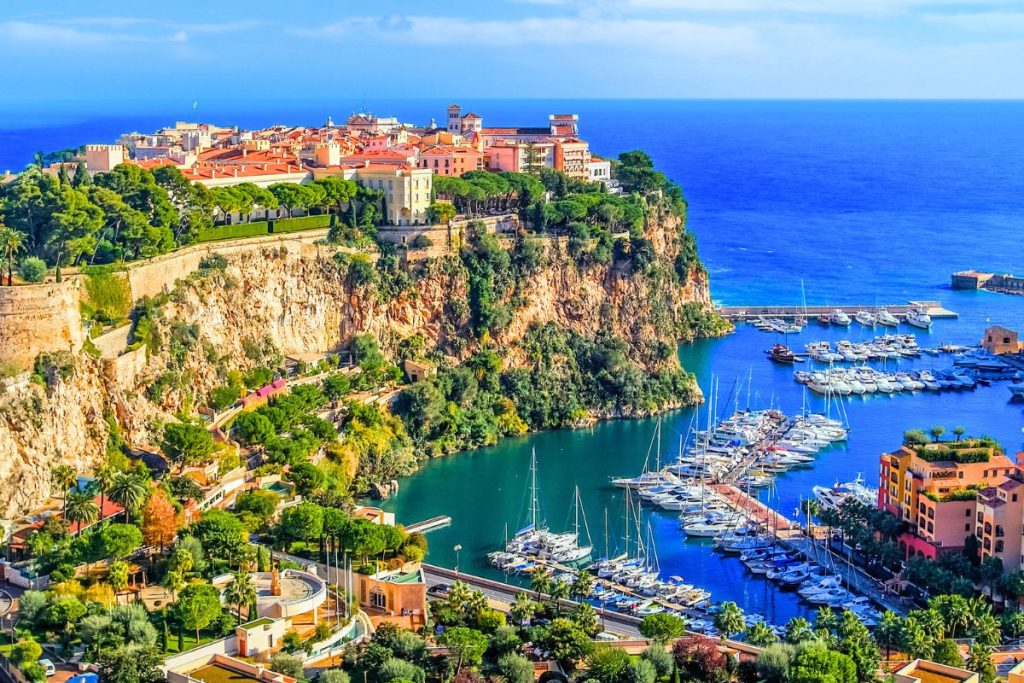
Table of Contents
- Why Tiny Countries in Europe Are Worth Your Time
- How to Plan a Trip Around Europe’s Smallest Countries
- 1. Vatican City
- 2. Monaco
- 3. San Marino
- 4. Liechtenstein
- 5. Andorra
- 6. Gibraltar
- 7. Luxembourg
- Common Mistakes to Avoid
- Suggested Itineraries
- Budget and Practical Travel Tips
- Experience-Based Advice
- Final Thoughts
When most people dream about Europe, they usually think about the obvious giants first. Italy. France. Spain. Germany. Maybe Greece. Maybe Switzerland. But once you start traveling more intentionally, you realize something important: size has very little to do with how meaningful a destination feels. Some of the most rewarding places in Europe are not the biggest capitals or the longest itineraries. They are the compact countries that deliver history, scenery, culture, and surprisingly deep travel moments in a very small geographic space.
That is exactly why Europe’s tiniest countries deserve more attention in 2026. These places are not travel “extras” or novelty side trips you squeeze in only to collect another border crossing. Done properly, they can become some of the most memorable chapters of an entire European trip. You can stand inside the spiritual center of Catholicism in Vatican City, watch luxury and old-world drama collide in Monaco, wander medieval heights in San Marino, feel Alpine calm in Liechtenstein, step into mountain life in Andorra, experience Gibraltar’s strange identity at the edge of continents, and end in Luxembourg, where compact scale meets political importance and layered city beauty.
The real appeal of these destinations is not just that they are small. It is that they are efficient without feeling shallow. You do not always need a week to feel something real in a place. Sometimes one carefully planned day, one overnight stay, or one scenic stop is enough to completely change the tone of your trip.
Why Tiny Countries in Europe Are Worth Your Time
There is a reason experienced travelers become more interested in small destinations over time. The more you travel, the more you value places that feel manageable but still rich. Tiny countries are often easier to understand quickly. Their main highlights are more concentrated. Their old towns are usually walkable. Transfers are often shorter. You spend less time figuring out logistics and more time actually experiencing the place.
But that does not mean these destinations are simplistic. In fact, many of Europe’s smallest countries carry an unusually high concentration of identity. They have had to preserve themselves, define themselves, and maintain cultural or political uniqueness despite being surrounded by larger neighbors. That creates a very different kind of travel experience. In a larger country, you often encounter regional variation over long distances. In a tiny country, the distinctiveness is compressed. You feel it quickly.
These destinations also work especially well for travelers who want smarter itineraries in 2026. Flights, hotels, and rail costs can add up fast if you constantly chase large, spread-out routes. Smaller countries can help you build trips that feel full without becoming exhausting. They are ideal for side trips, long weekends, or multi-country journeys where you want variety without constant chaos.
How to Plan a Trip Around Europe’s Smallest Countries
The first mistake many travelers make is assuming that a small country automatically means a rushed stop is always enough. Technically, yes, several of these places can be “done” in one day. But there is a difference between checking off landmarks and actually enjoying the destination. A smart plan starts with one question: what kind of experience do you want from the stop?
If your goal is cultural depth, Vatican City deserves strategic timing and patience. If your goal is glamour and scenery, Monaco is strongest when paired with the Riviera rather than treated as a random detour. If your goal is fairytale atmosphere, San Marino rewards an overnight. If you want mountain calm and a different side of Europe, Liechtenstein and Andorra become stronger when framed as scenic escapes. Gibraltar works best if you appreciate its identity mix rather than expecting a conventional country experience. Luxembourg can be a compact but highly satisfying city break on its own.
Smart planning rules for tiny-country travel
- Do not judge a place only by map size. Judge it by depth, access, and atmosphere.
- Build around geography. Pair each small country with nearby regions you already plan to visit.
- Start early. Small places get crowded too, especially if they are easy day trips.
- Stay overnight when scenery and mood matter more than speed.
- Leave room for walking, viewpoints, cafés, and unplanned pauses. These countries are often at their best when you slow down.
1. Vatican City
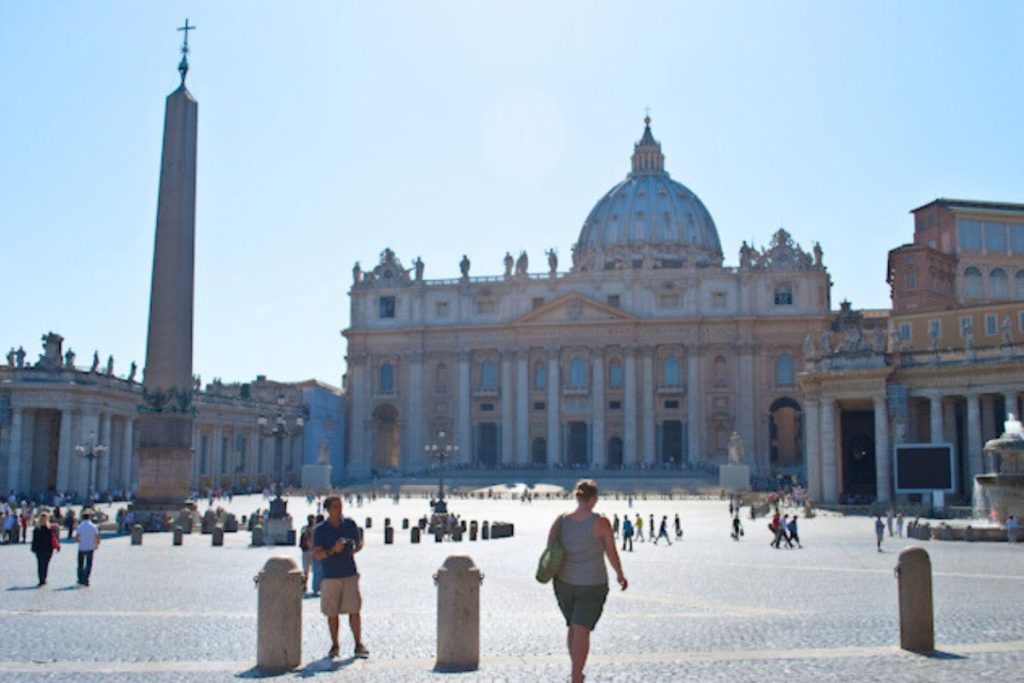
Vatican City is the smallest country on Earth, but nobody leaves saying it felt minor. What makes it extraordinary is not its size but its symbolic weight. It is one of those rare places where art, religion, politics, architecture, and global influence all converge in a single compact space. Even travelers who are not especially religious often find themselves surprised by the emotional scale of the experience.
The obvious highlights are the Vatican Museums, the Sistine Chapel, St. Peter’s Basilica, and St. Peter’s Square. But what really matters is how you approach them. Vatican City is not enjoyable when treated like a rushed photo stop in the middle of an overloaded Rome itinerary. It is most rewarding when you arrive early, pre-book what you need, and accept that some places deserve attention rather than speed. The museums alone can overwhelm you if you try to consume everything in one fast-moving pass. Go in knowing that the goal is not to see every object, but to feel the power of the place.
One practical truth many first-time visitors underestimate is crowd pressure. Vatican City may be tiny, but it absorbs massive visitor numbers. That means timing is everything. If you arrive late, especially during peak travel months, the experience can shift from awe to fatigue very quickly. Early entry, shoulder season travel, and realistic expectations make a huge difference.
For travelers building a Rome itinerary, Vatican City is the easiest microstate to include. That convenience is part of its appeal. But because it is so easy to access, many people give it too little emotional space. Do not make that mistake. This is one of Europe’s great concentrated travel experiences.
Best for:
Travelers who love art, history, religious architecture, and world-famous landmarks.
Planning tip:
Do Vatican City early in your Rome stay, not at the end when you are already tired and less patient.
2. Monaco
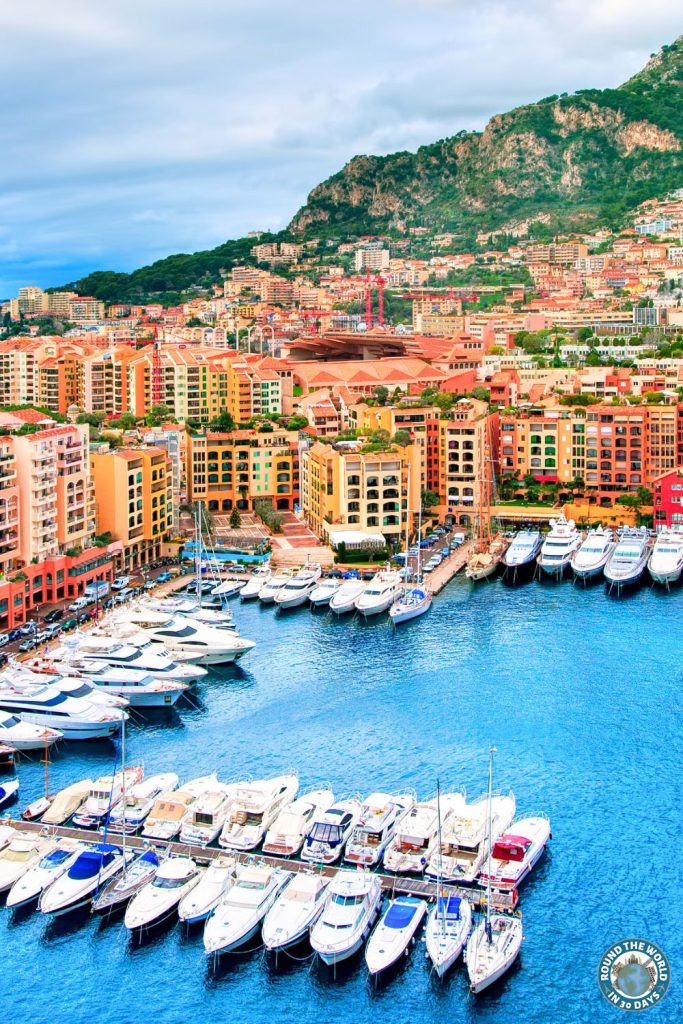
Monaco is one of the easiest countries in Europe to dismiss too quickly. People hear “wealth,” “casino,” “superyachts,” and “Formula 1,” and assume the place is either too flashy, too expensive, or too superficial. But Monaco has more texture than that. Yes, glamour is part of the story. There is no point pretending otherwise. But there is also geography, history, old-town beauty, and a strange pleasure in watching how dramatically this place uses its tiny footprint.
What makes Monaco memorable is the contrast. In one part of the principality, you feel the polished luxury of Monte Carlo. In another, you climb into Monaco-Ville and find quieter streets, viewpoints, and historic corners that feel removed from the marina energy below. The place feels staged, but not fake. It feels curated, but still real enough to be enjoyable.
Monaco works best when paired with Nice or the French Riviera. That way, you can experience it as a dramatic contrast rather than as a standalone base you are forced to over-explain. You do not need many days here unless luxury lifestyle is specifically your priority. But you do need the right mindset. The pleasure of Monaco often comes from walking it, observing it, and letting the visual drama do the work.
Experience-wise, one of the smartest ways to enjoy Monaco is to focus less on the idea of “doing” Monaco and more on absorbing it. Walk the harbor. Climb to the older part of town. Watch how the city is layered into cliffs and sea. Sit somewhere with a view and allow the setting to speak for itself. Not every destination needs a packed activity list to feel worthwhile.
Why Monaco stands out
Because very few places combine extreme wealth, coastal beauty, and compact walkability in such a visually intense way. It is theatrical, yes, but it is also deeply photogenic and surprisingly enjoyable when you stop resisting what it is.
3. San Marino
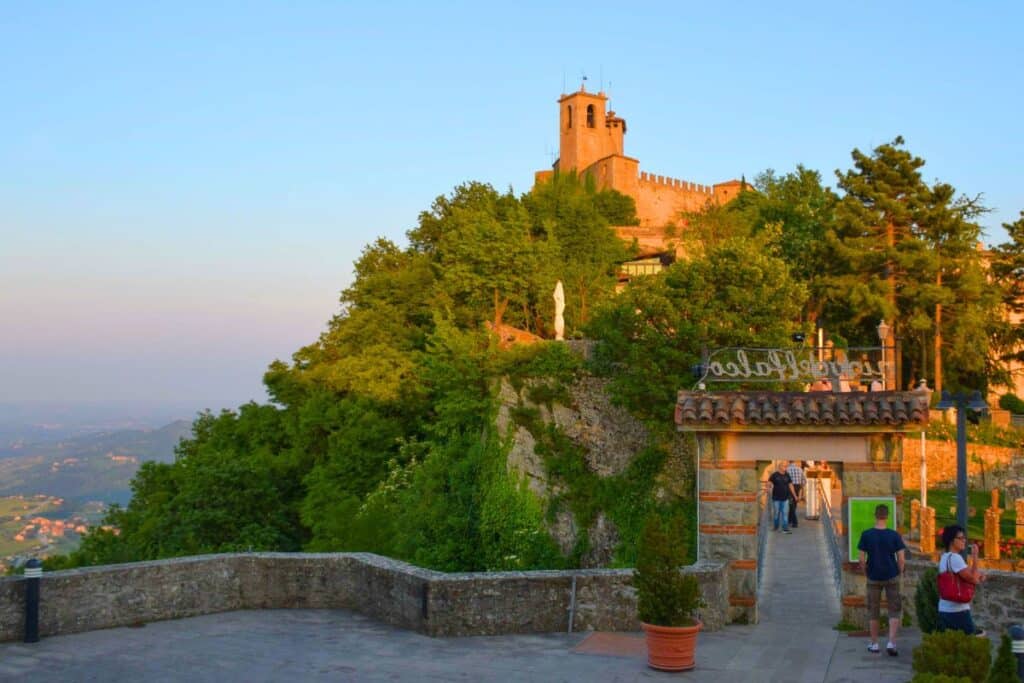
San Marino feels like the kind of place people wish they had given more time. Surrounded by Italy and perched above the landscape on Mount Titano, it has that rare fairytale quality that immediately softens your pace. You arrive and the mood changes. Streets become more atmospheric. Stone textures feel older. Viewpoints feel bigger. And because the historic center is elevated, the visual payoff is strong almost everywhere.
One of the reasons San Marino is so satisfying is that it does not feel like a gimmick. It genuinely has historical depth, political significance, and a preserved old-world atmosphere. The country’s identity as one of the oldest surviving republics in the world gives it more than just scenic appeal. You are not only visiting a pretty hilltop destination. You are walking through a place that has maintained an unusually long and distinct political continuity.
This is also one of the best examples of a tiny European country that benefits from an overnight stay. In a rushed day trip, you will still see the main sights. But if you stay into the late afternoon and evening, you begin to feel the mood of the place differently. Day visitors thin out. The stone streets become quieter. The views turn warmer. That is when San Marino starts to feel less like a stop and more like an experience.
Travelers who love medieval settings, elevated viewpoints, and old-town wandering will probably connect with San Marino immediately. It is also a strong choice for couples and slow travelers who value atmosphere as much as attractions. Even a simple walk can feel memorable here, especially if you let yourself stop often instead of racing between towers and museums.
4. Liechtenstein
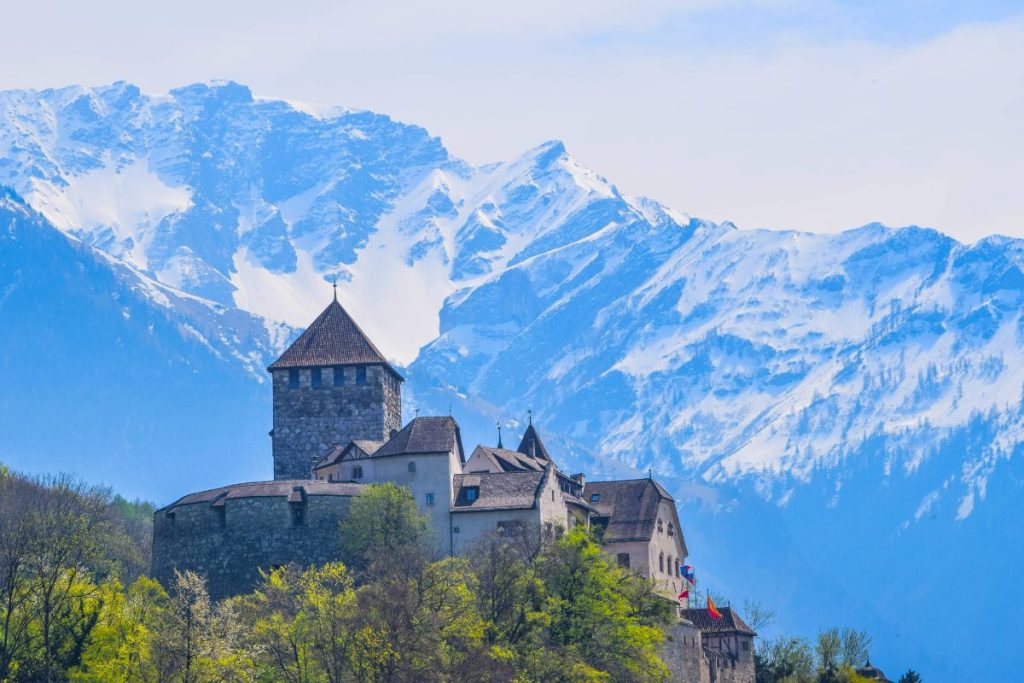
Liechtenstein is one of the most quietly appealing countries on this list. It does not have the global fame of Monaco or Vatican City, and that is part of its charm. It feels calmer, cleaner, and less performative. For travelers who are drawn to mountain settings, manageable towns, and understated places that do not need to shout for attention, Liechtenstein can be unexpectedly satisfying.
Vaduz, the capital, is small enough to explore easily, and the visual anchor of the country is Vaduz Castle rising above the valley. Even though the castle itself is not open to the public, it gives the destination a sense of identity and shape. You always feel the country’s princely image in the background. But what really makes Liechtenstein enjoyable is the combination of compact urban life and nearby Alpine scenery. Within minutes, the atmosphere shifts from town to mountain.
This is a great destination for travelers who do not need constant intensity. Liechtenstein rewards a gentler rhythm. Visit a museum, stroll through town, enjoy the valley views, then move outward toward nature if that is your style. It can work as a day trip from Switzerland, but it is even better when treated as part of a scenic route through the broader region.
One practical advantage is ease. Distances are short. Public transport connections are good. The country is tidy and efficient. That means the mental load of travel here is low. In an itinerary full of bigger cities and more complicated logistics, that kind of stop can feel almost restorative.
Who will enjoy Liechtenstein most?
Travelers who like mountain countries, low-stress itineraries, royal symbolism, and places that feel polished without being overwhelming.
5. Andorra
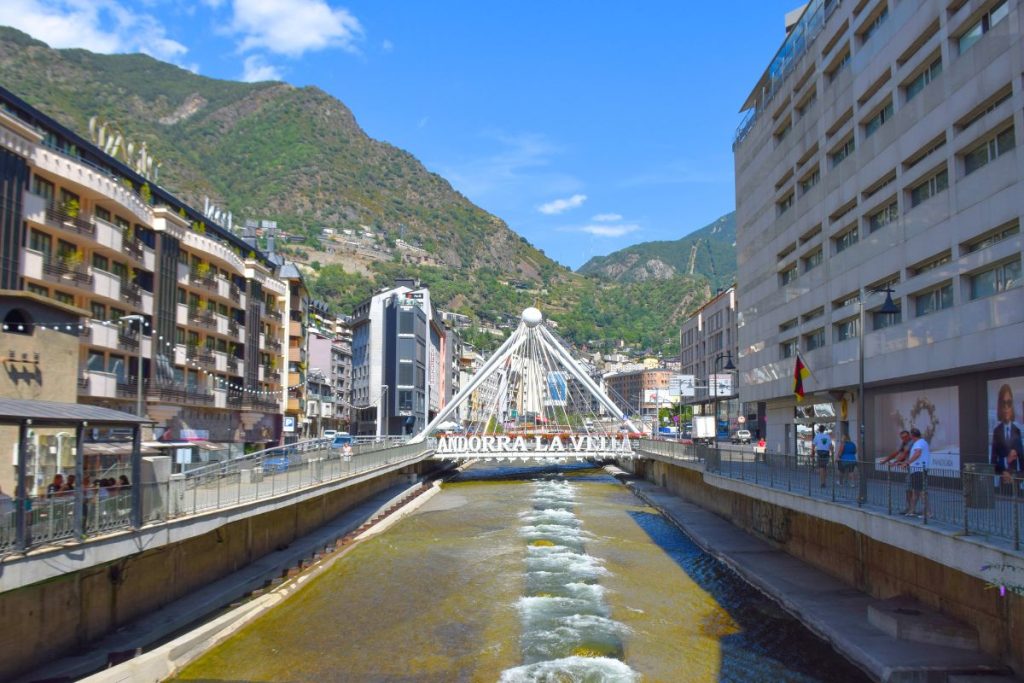
Andorra often surprises people because it does not fit a single easy stereotype. It is mountainous, but not only about skiing. It is compact, but not only about shopping. It is politically unusual, but not only interesting on paper. What gives Andorra real appeal is its landscape. Once you see how strongly the mountains shape the experience, the country makes much more sense.
Andorra la Vella, the capital, gives you the practical base. But the broader value of Andorra lies in what the surrounding environment does to your trip. If you are coming from larger cities in Spain or France, Andorra can feel like a reset. The air changes. The rhythm slows. The urban intensity fades. In winter, that becomes a classic mountain break. In warmer months, it turns into a destination for scenic roads, hiking, cycling, and calmer travel days.
One reason Andorra deserves more respect in 2026 is that travelers are becoming more deliberate about balancing famous cities with nature-heavy stops. The more crowded Europe gets in peak periods, the more valuable it becomes to build contrast into your itinerary. Andorra provides that contrast well.
It may not deliver the same “instant iconic landmark” effect as Vatican City or Monaco, but it offers something many travelers need more: breathing room. If you enjoy mountain scenery, outdoor movement, and places that feel more discovered than performed, Andorra can easily become one of your favorite small-country experiences.
Best way to include Andorra
Use it between Spain and France, or as a focused mountain escape rather than a rushed stop with no context.
6. Gibraltar
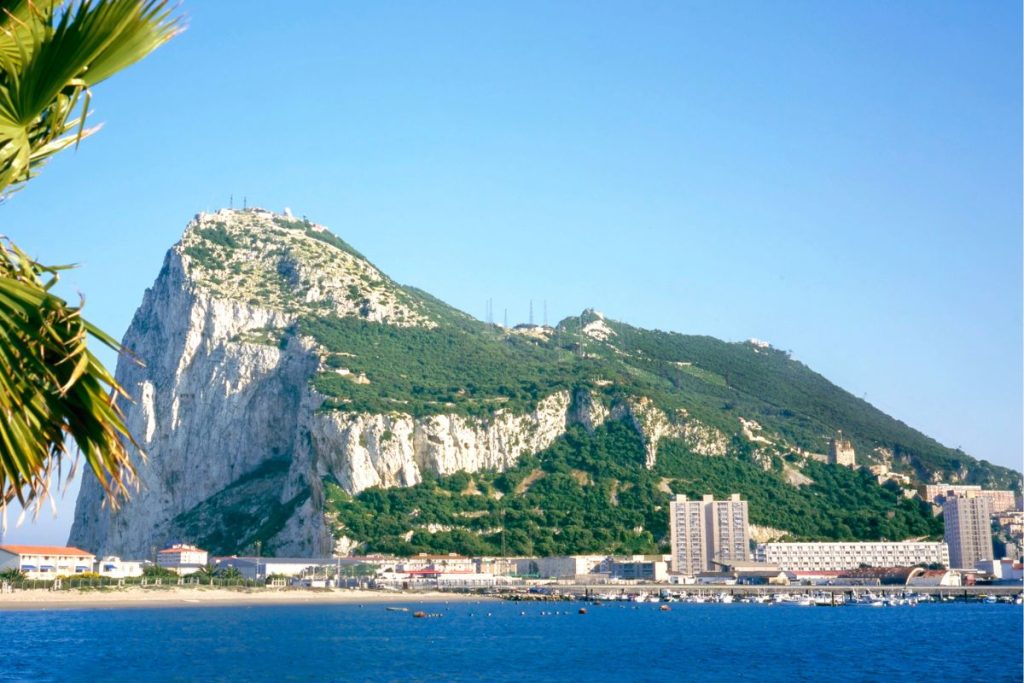
Gibraltar is one of the most unusual places in Europe because it feels like several identities colliding in one compact destination. Geographically, it sits at an incredibly strategic point. Emotionally, it feels neither fully British nor fully Spanish, yet clearly shaped by both. That tension is part of the experience. You do not visit Gibraltar for grand scale. You visit because it feels distinct.
The Rock dominates everything. It is the visual centerpiece, the symbolic identity, and the main reason the place feels so dramatic despite its tiny size. The fact that you can encounter Barbary macaques, look out across the strait, and feel the continent-edge atmosphere all within such a short distance makes Gibraltar memorable in a way that is hard to compare directly with other destinations.
Some travelers make the mistake of expecting Gibraltar to behave like a standard country break. It is better understood as a geopolitical curiosity with strong scenery and a unique local mood. The pleasure is partly in the strangeness. You notice the mix in architecture, food, language patterns, and everyday symbols. Even the airport runway crossing adds to the sense that this place plays by its own rules.
Gibraltar is best for travelers who enjoy borderland atmospheres, odd historical identities, and places where location shapes everything. It may not need a long stay, but it absolutely deserves an attentive one.
7. Luxembourg
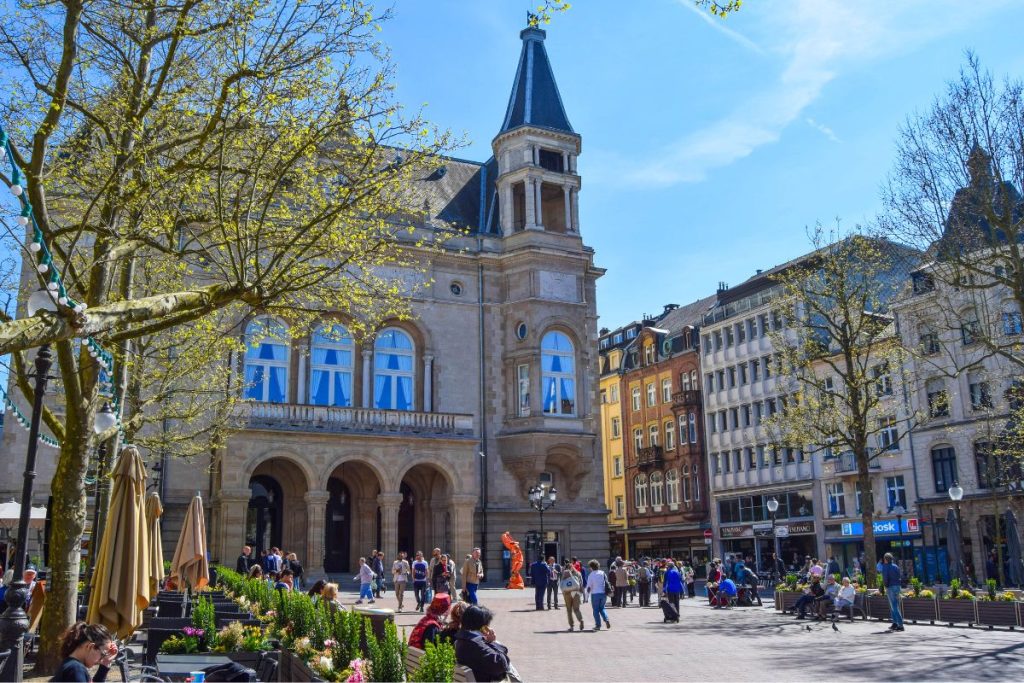
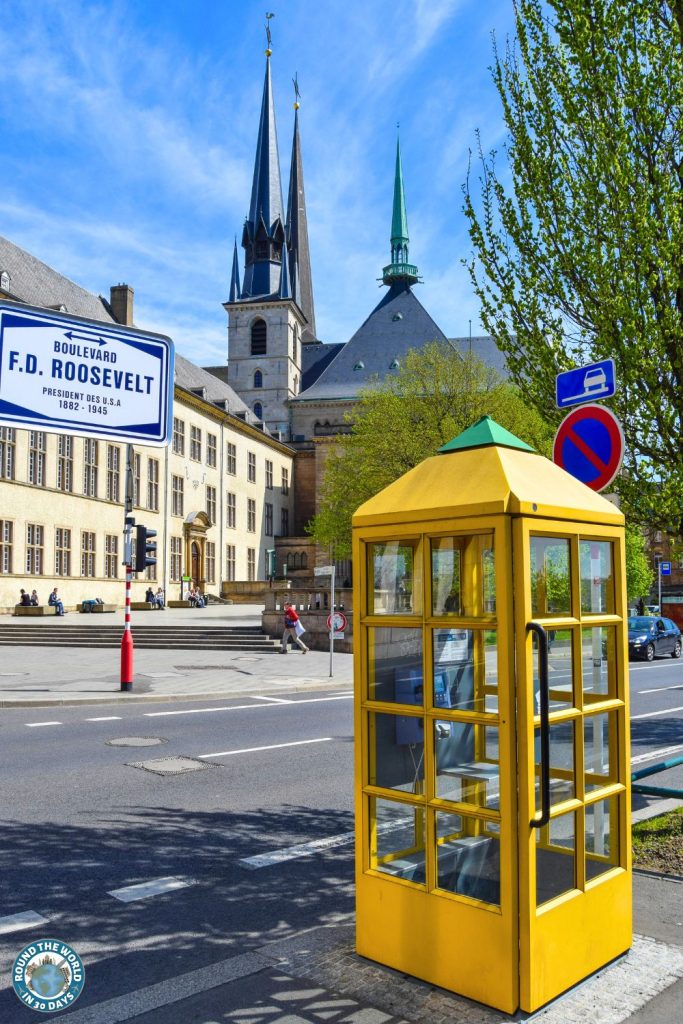
Luxembourg is arguably the most balanced destination on this list. It is small, but it does not feel limited. It is elegant, but not inaccessible. It is politically important, but still very enjoyable on a casual traveler level. If you appreciate cities that are easy to navigate yet visually layered, Luxembourg performs extremely well.
What makes Luxembourg City special is its setting. It is not just another tidy European capital with a nice center. The city’s layout across deep valleys and elevated viewpoints gives it dimension. Walking through it feels more dramatic than expected. One moment you are moving through polished urban space, and the next you are looking out over greenery, old fortifications, and terrain that makes the city feel far more textured than its size suggests.
The country’s identity as the last remaining grand duchy adds to its intrigue, but Luxembourg is not only interesting because of status. It is simply pleasant to experience. The city is manageable. Public transport is famously easy. The pace feels civilized without becoming sleepy. That makes it ideal for travelers who want a short city break that still feels substantial.
Luxembourg also rewards people who appreciate subtlety. It may not scream for attention the way larger capitals do, but it gives back steadily. Good walking, strong viewpoints, compact historical interest, and a polished sense of order make it a quietly high-quality destination. In many itineraries, it becomes the place people did not expect to enjoy so much.
Why Luxembourg works so well in 2026
Because travelers increasingly want efficient, elegant destinations that feel rewarding without requiring overwhelming planning. Luxembourg fits that need almost perfectly.
Common Mistakes to Avoid When Visiting Tiny Countries in Europe
1. Treating every small country like a checkbox
If your only goal is to say you entered another country, you will miss what makes these destinations interesting. Approach them with curiosity, not only completionism.
2. Underestimating crowd pressure
Small countries can feel very busy because the main sights are concentrated. Vatican City and Monaco especially require thoughtful timing.
3. Pairing them badly with the rest of your route
The best microstate experiences usually happen when they fit naturally into a nearby itinerary. Forced detours often feel more tiring than rewarding.
4. Refusing to stay overnight when atmosphere matters
San Marino and Luxembourg, in particular, become richer when you allow evening or early morning light to shape the experience.
5. Expecting every tiny country to offer the same kind of value
Monaco is about visual drama and lifestyle contrast. Liechtenstein is about calm and scenery. Gibraltar is about identity and strangeness. Adjust your expectations to the place.
Suggested Itineraries for Europe’s Smallest Countries
3-Day Add-On Concept
If you are already in Rome and the French Riviera, you can do Vatican City and Monaco naturally as part of a broader trip. One day for Vatican City, one day or partial day for Monaco, then use the third day as a buffer or transfer day. This works well for travelers who want to add microstate experiences without rebuilding their whole route.
7-Day Small-Country Focused Route
A more ambitious route could begin with Rome and Vatican City, continue to San Marino through Italy, then move north toward Liechtenstein, finish in Luxembourg, and treat Monaco as a Riviera extension either before or after. This requires smart transport planning, but it can create a distinctive trip with a strong theme.
10-Day Scenic and Strategic Route
If you want more breathing room, combine Italy, San Marino, Monaco, Luxembourg, and Liechtenstein, then choose either Andorra or Gibraltar depending on whether you prefer mountain atmosphere or southern-edge oddity. This version gives you time to absorb each place rather than constantly chase the next border.
Budget and Practical Travel Tips
One misconception about tiny countries is that smaller automatically means cheaper. That is not always true. Monaco and Luxembourg can be expensive. Vatican City may be attached to Rome but still involves paid attractions and high visitor demand. Andorra varies depending on season and travel style. Liechtenstein and Gibraltar can also become pricier if you rely on convenience without planning ahead.
How to keep costs reasonable
- Stay in nearby larger bases when accommodation inside the tiny country is too expensive.
- Book early for high-demand museums and hotels.
- Use regional trains and buses where possible instead of last-minute private transfers.
- Prioritize one or two meaningful paid experiences rather than paying for everything.
- Travel in shoulder season if you want better value and fewer crowds.
Another practical point is mental pacing. Small countries often tempt travelers into thinking they can be squeezed into already overloaded days. That is where fatigue starts. A short destination still takes energy: transit, orientation, lines, walking, food breaks, and unexpected delays all count. Respect the stop enough to plan realistically.
Experience-Based Advice: How to Make These Tiny Countries Feel Bigger in Memory
The most memorable travel experiences are rarely built only from landmarks. They come from how a place makes you feel in context. That matters even more in small countries. Because the geography is limited, you need to travel with attention.
Do not race through Vatican City only taking photos. Stand still in the square. Notice scale. Let the place land. In Monaco, do not only chase glamour. Walk uphill and look back. Let the physical layering of the place register. In San Marino, stay until the tone softens. In Liechtenstein, appreciate quiet. In Andorra, let the mountains do the work. In Gibraltar, notice the cultural overlap. In Luxembourg, enjoy the confidence of a city that does not need to prove itself loudly.
These countries feel bigger in memory when you give them a proper emotional frame. That usually means one of three things: arriving at the right time, walking more than you think you need to, and staying present enough to notice what makes each place different from the one before it.
Three questions to ask yourself in each destination
- What is this place really best at?
- What pace does this place want from me?
- What would I miss if I only stayed here for the obvious photo?
Those questions sound simple, but they change the quality of travel. And in microstates or tiny countries, quality matters more than quantity. You do not need dozens of activities to justify the stop. You need one or two meaningful ways to connect with it.
Final Thoughts
Why Europe’s Smallest Countries Belong on Your 2026 Travel List
Europe’s tiny countries prove something larger destinations often forget: a place does not need massive territory to create a lasting impression. What matters is concentration of experience. History compressed into walkable streets. Identity preserved despite geography. Views that arrive quickly but stay in memory for a long time.
If you are planning Europe in 2026, do not think of these countries as side notes. Think of them as strategic highlights. Vatican City gives you spiritual and artistic weight. Monaco gives you visual drama. San Marino gives you medieval atmosphere. Liechtenstein gives you Alpine calm. Andorra gives you mountain contrast. Gibraltar gives you edge-of-continent strangeness. Luxembourg gives you elegant urban balance.
The smartest itineraries are not always the biggest ones. Often, they are the ones with the best contrast, the strongest rhythm, and the fewest wasted days. Europe’s smallest countries can help you build exactly that kind of trip.
And once you visit a few of them, you may discover the same thing many experienced travelers eventually learn: some of the best places in the world are not the ones that take the most time to cross, but the ones that give the most meaning per step.
Image note: Original source images were preserved where available and used without duplication across sections for a cleaner Blogger-ready layout.


