


The Philippines is not a destination you visit only for one postcard beach or one viral island. It is the kind of country that keeps shifting as you move through it. One day you are standing on a powdery shoreline with water so clear it looks almost unreal. The next day you are crossing a mountain road, waking up before sunrise for a sea tour, or sitting quietly in a coastal town that never makes it into flashy reels but ends up becoming your favorite stop.
That is why building a Philippines itinerary is both exciting and tricky. The country rewards travelers who plan carefully, but it also rewards those who leave enough room for unexpected discoveries. In this guide, the goal is not just to list famous places. The goal is to help you choose destinations that actually match your travel style, time, energy, and budget.
If you are searching for the best places to visit in the Philippines, you are probably trying to answer a more important question: Which destinations are truly worth my time? That is the right question to ask. The Philippines has thousands of islands, but not every stop fits every traveler. Some places are ideal for first-timers. Some are better for slow travel. Some are perfect if you want dramatic scenery and island tours. Others work better if you prefer road trips, waterfalls, diving, culture, or a peaceful reset.
Why the Philippines Deserves a Spot on Your Travel List
There are many tropical countries in Asia, so why do experienced travelers keep returning to the Philippines? The answer is simple: few destinations deliver the same combination of island beauty, local warmth, marine life, dramatic coastlines, hidden coves, and multi-stop adventure. The Philippines feels big and intimate at the same time. You can visit iconic places like El Nido or Boracay, then continue to smaller areas where the pace slows down and the experience becomes more personal.
The country also has a certain emotional quality that many travelers notice after their first trip. It is not just about beaches. It is about movement. It is about transitions between landscapes. It is about waking up for a van transfer in the dark, taking a small boat to a quiet shore, eating seafood by the sea, and ending the day with a sunset that feels bigger than what you expected. The Philippines is a destination for people who enjoy the rhythm of travel itself.
How to Plan a Philippines Trip Without Wasting Time or Money
The biggest planning mistake travelers make in the Philippines is trying to do too much. Because the country looks compact on a map, many people assume they can fit a long list of islands into one short trip. In reality, transfers take time, and the most scenic destinations deserve more than a rushed overnight stay.
When planning your route, think in terms of travel clusters. Rather than hopping randomly between disconnected islands, group destinations logically. For example, Palawan destinations such as Puerto Princesa, Port Barton, El Nido, and Coron can create one strong route. Cebu-based stops like Moalboal, Bohol, and Siquijor can also work well together with proper timing.
Smart planning rule: In the Philippines, every extra destination adds not only excitement but also transfer fatigue, timing pressure, and budget increase. Fewer stops often create a better trip.
Another key point is internal transportation. Domestic flights can save huge amounts of time, but they should be booked strategically. Ferries can be useful, but they do not always make sense for a tight itinerary. On the ground, vans, buses, tricycles, and boats all become part of the experience. This is why seasoned travelers recommend building buffer time into your schedule.
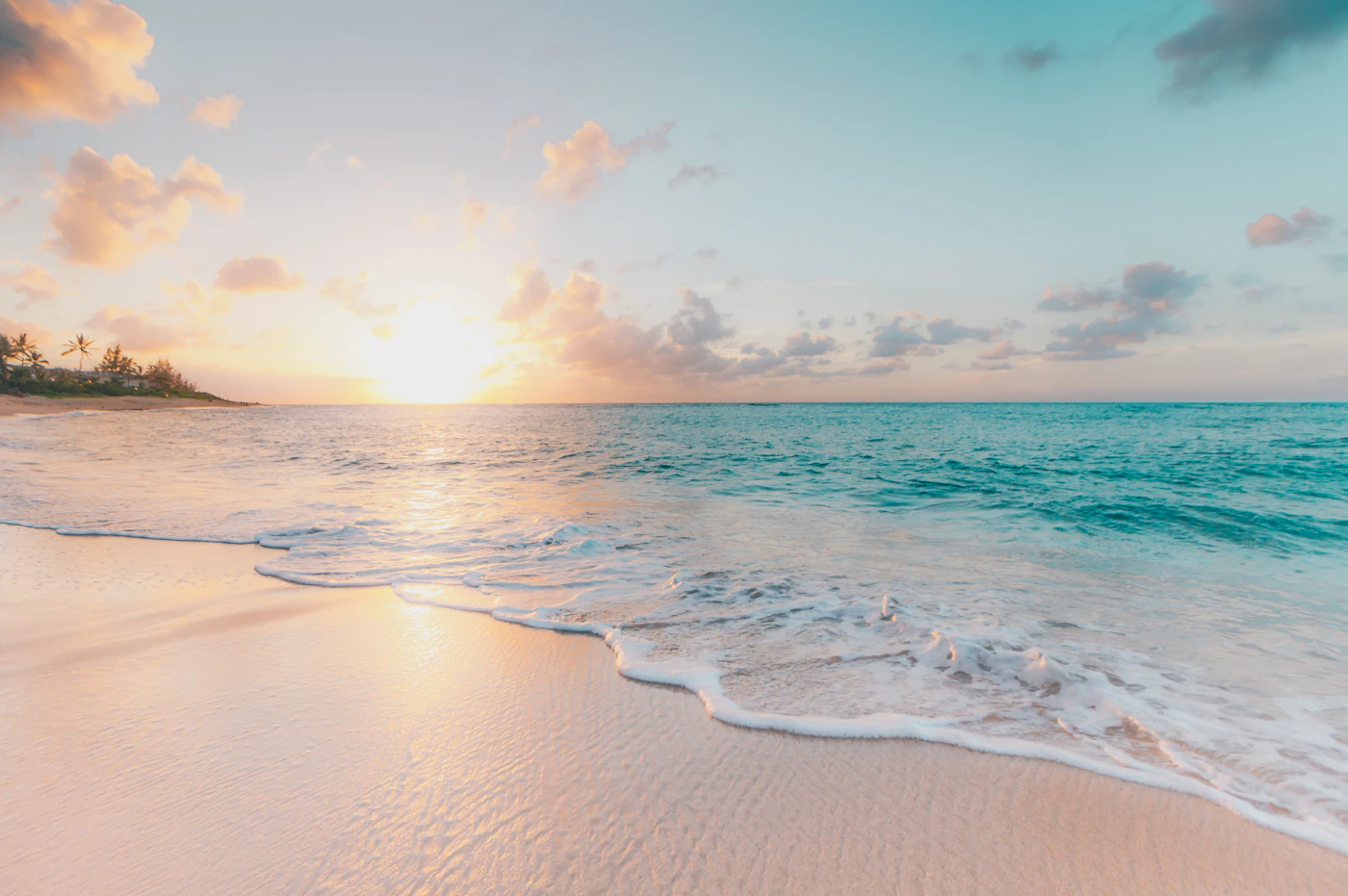
 Beach destinations in the Philippines look best when you give them enough time instead of squeezing them into a rushed itinerary.
 Island travel in the Philippines is beautiful, but planning your transfers carefully matters just as much as choosing the destination itself.
Best Time to Visit the Philippines
The best time to visit the Philippines depends on what kind of conditions you value most. If your goal is clear skies, calmer seas, and easier island transfers, the dry season is generally the safest choice. If you care more about avoiding crowds and high accommodation costs, the shoulder months can be more appealing.
For first-time visitors, the safest mindset is this: choose a period that gives you a strong chance of enjoying the outdoors without building your whole trip around unrealistic weather perfection. Some of the most beautiful destinations in the Philippines depend on boat travel, and that means nature still has the final say.
Manila
Manila is rarely the reason travelers fall in love with the Philippines, but it often becomes the gateway. Many first-time visitors treat it only as an arrival point, and that is usually the right move unless your schedule specifically benefits from a city stop. Still, Manila can serve a practical role in your route and give you useful time to rest, recover, and organize before the island portion begins.
The right mindset makes a difference here. Manila is not your serene island chapter. It is your staging area. Travelers who accept that usually enjoy it more than those who arrive expecting beach energy from day one.
Banaue
Banaue gives your Philippines itinerary a different kind of beauty. Instead of beaches and island tours, you get mountain air, dramatic terraces, and a landscape that feels older, quieter, and more rooted. This destination is ideal for travelers who do not want a trip made entirely of coastlines.

Boracay
Boracay is one of the most famous destinations in the Philippines for a reason. Its shoreline has that instant wow factor many travelers chase when they imagine a tropical escape. The sand is soft, bright, and photogenic. The beach atmosphere is easy to enjoy. For travelers who want comfort, convenience, and broad appeal, Boracay still earns its place.
If your ideal beach holiday includes easy dining options, comfortable stays, sunset walks, and a little nightlife, Boracay can be a fantastic match. If you are looking for something more rustic and quiet, smaller island destinations may fit better.
Moalboal
Moalboal is one of those places that proves a destination does not need to be flashy to become unforgettable. It attracts travelers who want real experiences in the water, especially snorkeling and marine encounters, but it also gives you access to a more grounded coastal atmosphere.
 Moalboal is ideal for travelers who want their Philippines trip to include more active time in the water.
 Beyond beaches, the Philippines also rewards travelers who enjoy scenic coasts and dramatic ocean views.
Siquijor
Siquijor has a different personality from the more globally famous destinations in the Philippines. It is often associated with mystery, slower roads, and a more laid-back island rhythm. Travelers who like discovering places that still feel a little separate from the mainstream often connect with Siquijor more deeply than they expect.
It is the kind of destination where you rent a motorbike, move at your own pace, and let the island reveal itself through quiet beaches, waterfalls, and small roadside stops.
Bohol
Bohol is one of the most versatile destinations you can include in a Philippines itinerary. It works especially well for first-time visitors because it offers a strong balance of accessible attractions, varied scenery, and manageable logistics. It is one of those places where different travel personalities can still find something satisfying.

Puerto Princesa
Puerto Princesa is often approached as a transit point on the way to stronger Palawan highlights, but that does not mean it lacks value. Its role in a trip depends on your route structure. For some travelers it is simply the practical gateway into Palawan. For others, it becomes a useful pause before heading into smaller and more scenic areas farther north.
If your time is limited, you may choose not to devote much energy to Puerto Princesa itself. That is perfectly fine. Its greatest value is often structural. It helps Palawan work more smoothly.
Port Barton
Port Barton is one of the strongest choices in the Philippines for travelers who want to feel like they have stepped back from overbuilt tourism without fully giving up comfort. It has enough appeal to justify the journey, but it still feels softer, slower, and less aggressive than more famous beach destinations.
For couples, slow travelers, writers, or anyone who wants time to breathe, Port Barton can become the secret favorite of an entire trip.
 Port Barton is best for travelers who want a quieter beach atmosphere and a slower rhythm.
 Some of the best places in the Philippines are not always the busiest ones, but the ones that let you slow down properly.
El Nido
El Nido is the destination that often defines a traveler’s dream of the Philippines before they even arrive. It is dramatic, cinematic, and instantly recognizable. The limestone formations, island-hopping atmosphere, and blue-green water give it that rare quality of looking as beautiful in person as it does in photographs.
El Nido works best when you give it enough time. Do not reduce it to one rushed day and expect emotional impact. Arrive, settle in, choose your tours carefully, and allow yourself space to absorb the scenery rather than trying to turn every hour into content production.

Coron
Coron often gets mentioned alongside El Nido, but the two do not feel interchangeable. Coron has its own identity, and many travelers end up strongly preferring one over the other based on personal style. If El Nido feels cinematic and broad in its appeal, Coron often feels more excursion-based and closely tied to the thrill of water-focused exploration.
If you are choosing between El Nido and Coron because of limited time, think less about which one is better and more about what style of travel energizes you.
Sample 2-Week Route
If you have around two weeks and want a balanced first experience, one smart approach is to choose a route that minimizes chaos while still giving you variety. A Palawan-focused route can work very well: Puerto Princesa, Port Barton, El Nido, and Coron. Another strong option is a Cebu-centered route: Moalboal, Siquijor, and Bohol.
The best route is not universal. It depends on whether you prioritize iconic scenery, logistics, budget, comfort, or slowness. But the route should feel coherent. Every stop should support the mood of the trip instead of fighting against it.
Budget Guide
The Philippines can fit different travel budgets, but it is not always as cheap as people assume, especially when you add internal flights, private transfers, island tours, and accommodation in high-demand destinations. This is why realistic budgeting is essential.
Budget mindset: Every time you reduce a rushed transfer or cut one unnecessary stop, you often save not only money but also energy, time, and mental bandwidth.
Common Travel Mistakes to Avoid
1. Treating every famous island as mandatory. Not every headline destination belongs in your trip.
2. Underestimating transfer fatigue. A travel day between islands affects your mood, budget, and pacing.
3. Overbooking tours. Some travelers pack every day with activities and forget to actually enjoy the place.
4. Planning only around social media spots. The most meaningful travel moments often happen outside the most photographed corners.

Frequently Asked Questions
How many days do you need for a Philippines trip?
Ten to fourteen days is a strong starting point for a first trip. It gives you enough room to explore multiple destinations without making the whole experience feel rushed.
Is the Philippines better for beaches or mixed itineraries?
It depends on your interests. The country is naturally strong for beach and island travel, but routes that include a contrasting destination like Banaue can feel richer for many travelers.
Should first-time travelers choose Palawan or Cebu-area destinations?
Palawan is ideal if you want dramatic scenery and iconic island-hopping energy. Cebu-area routes are strong if you want more variety between water activities, inland attractions, and nearby island stops.
Is Boracay still worth visiting?
Yes, especially if you want an easy, comfortable, polished beach destination with strong amenities and a beautiful shoreline.
What is the best advice for first-time travelers to the Philippines?
Choose fewer destinations, allow buffer time, respect travel fatigue, and build your route around how you actually want to feel during the trip.
Final Thoughts
The best places to visit in the Philippines are not simply the most famous ones. They are the places that fit the kind of traveler you are right now. The right destination at the wrong pace can still disappoint you. The right destination at the right pace can become unforgettable.
If you want a polished beach escape, Boracay deserves a look. If you want a more active marine experience, Moalboal and Coron can leave a stronger impact. If you want atmosphere and slower rhythm, Siquijor and Port Barton may speak to you more deeply. If you want a broad, first-time-friendly itinerary, Bohol and Palawan destinations are often reliable choices. And if you want contrast, Banaue reminds you that the Philippines is larger than its coastlines.
That is the beauty of traveling here. There is no single correct route. There is only the route that matches your time, energy, curiosity, and priorities. Once you stop planning the trip you think you are supposed to take and start planning the trip you actually want, the Philippines opens up in a much more rewarding way.


