

Sanibel and Captiva Island Florida Travel Guide 2026: Beaches, Shelling, Itinerary, Tips, and First-Timer Advice
- Introduction
- Why Sanibel and Captiva Feel Different
- Where the Islands Are and What to Expect
- Best Time to Visit
- How to Get There and Get Around
- Where to Stay
- Best Beaches and Best Areas
- Best Things to Do
- Where to Eat
- Planning Tips for First-Time Visitors
- Mistakes to Avoid
- 2-Day Itinerary
- 3-Day Itinerary
- Experience-Based Advice
- Frequently Asked Questions
- Final Thoughts
If you are looking for a Florida destination that feels slower, quieter, and more naturally beautiful than the usual high-rise beach towns, Sanibel and Captiva deserve a serious place on your list. These barrier islands near Fort Myers are known for shell-covered beaches, gentle Gulf waters, laid-back roads, cycling paths, wildlife, and sunsets that feel like the entire day was designed to lead up to them.
What makes this part of Florida special is not flashy nightlife or oversized attractions. It is the mood. The islands invite you to do simple things well: wake up early, walk the beach, look for shells, watch birds in the refuge, stop for seafood, rest in the afternoon, and head back out for sunset. For many travelers, that kind of trip ends up being more memorable than a vacation that tries too hard.
This guide is built for first-time visitors who want a real, useful, detailed overview. Instead of giving you a thin list of “top things to do,” this article explains how the islands feel, who they are best for, how to plan smart, how to avoid rookie mistakes, and how to build an itinerary that matches the kind of experience you actually want.
Sanibel and Captiva are often mentioned together, and that is understandable because they are connected and easy to combine. But each one has its own rhythm. Sanibel feels broader, more relaxed, more practical, and nature-first. Captiva feels a bit more tucked away, colorful, romantic, and indulgent. Doing both in one trip gives you the best of both worlds.
Why Sanibel and Captiva Feel Different
Many Florida beach destinations are built around convenience, speed, and heavy tourism. Sanibel and Captiva still feel more personal than commercial. That does not mean they are empty or unknown. They are well loved. But the energy is different. The scenery does not compete for attention. It settles in slowly.
The first thing many visitors notice is the absence of the usual visual noise. There are no towering hotel strips dominating the view. The scale feels lower and softer. Palm trees, coastal plants, bike paths, sandy edges, and beach accesses shape the rhythm of the day more than traffic lights and giant resorts do. That alone changes how people behave on the islands. You tend to slow down without being told to.
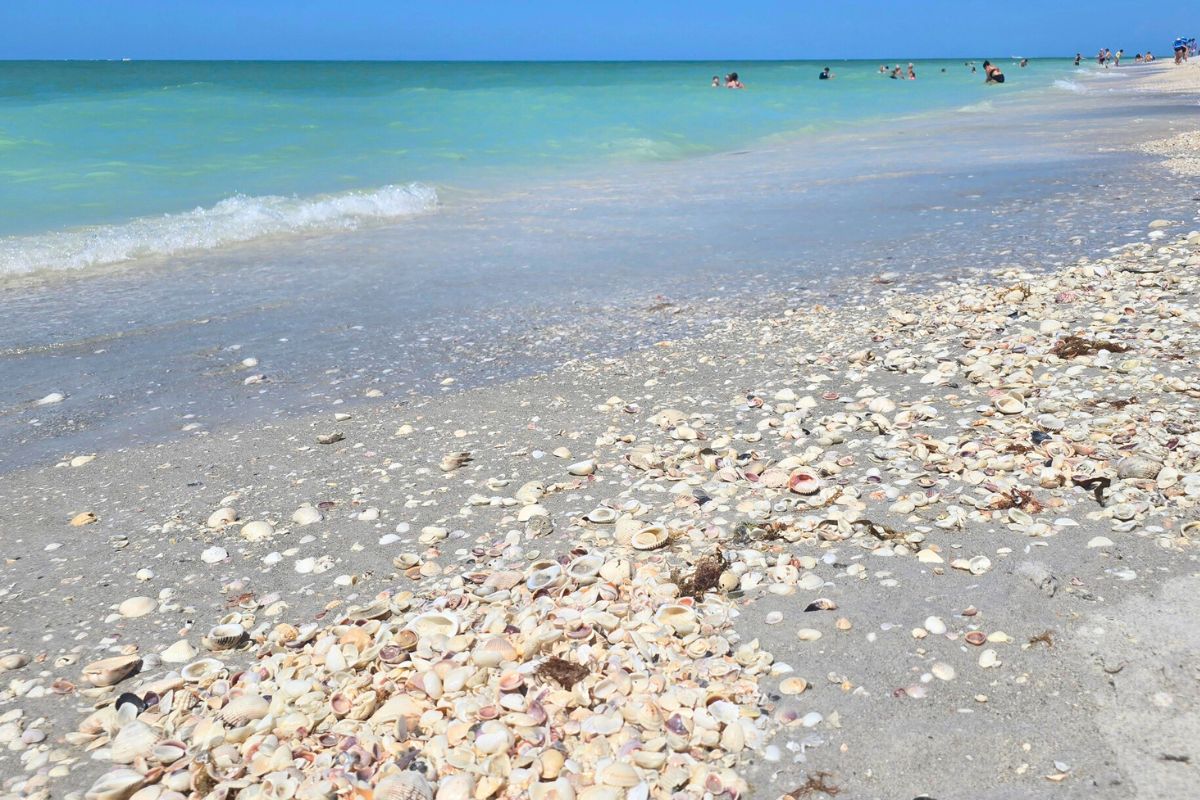
Another reason these islands stand out is the shelling culture. Sanibel, in particular, is famous for shells because of the way the island curves and catches them along the shore. That means beach walks here are not just about swimming or sunbathing. They become little treasure hunts. Even travelers who do not care about shells at first usually end up bending down for “just one more.”
Wildlife is another major difference. A lot of destinations talk about nature while quietly pushing it to the side. Sanibel still keeps it front and center. The J.N. “Ding” Darling National Wildlife Refuge is not some minor extra. It is one of the defining experiences of the island. Birds, mangroves, tidal flats, and calm observation are part of the trip, not separate from it.
And then there is the emotional side. Sanibel and Captiva are ideal for travelers who are tired, overstimulated, burned out, or simply craving a place that feels restorative. These islands are not trying to impress you every second. They let the experience breathe. That is exactly why many people fall in love with them.
Where the Islands Are and What to Expect
Sanibel and Captiva sit off the coast near Fort Myers in Southwest Florida. They are connected to the mainland by the Sanibel Causeway, and Captiva is reached by continuing north from Sanibel. On a map, the journey looks simple, but emotionally it feels like a transition from one pace of life to another. Once you cross onto the islands, the trip begins to feel more intentional.
Sanibel is the larger and more practical base for most travelers. It has more beach access points, more places to stay, easy road navigation, shopping areas, and a stronger everyday island rhythm. It works especially well for families, first-time visitors, and travelers who want flexibility without losing that island atmosphere.
Captiva sits farther north and feels more tucked away. It has more of a hideaway personality. Some people prefer it for romantic escapes, quieter stays, and sunset-centered evenings. If Sanibel feels like a place to settle into for several days, Captiva feels like the kind of place that becomes a highlight reel of beautiful moments.
Together, the islands are ideal for travelers who prefer beaches, wildlife, scenic drives, boat days, light adventure, and slow travel over intense urban sightseeing. If you want giant shopping districts and constant nightlife, this may not be your best match. But if you want nature, local flavor, and a calmer form of luxury, this area is a strong choice.

Best Time to Visit Sanibel and Captiva
Choosing when to go matters more than many first-time visitors expect. The islands can be enjoyable in different seasons, but your experience will change depending on weather, crowds, pricing, and what kind of trip you want.
Late winter through spring is the period many travelers find easiest. The temperatures are comfortable, skies are often bright, humidity is less intense than peak summer, and beach days feel easy. This is a strong season for travelers who want a polished first impression of the islands. The tradeoff is obvious: better conditions usually mean higher prices and more people.
Summer can still be beautiful, especially if you do not mind heat and afternoon rain chances. Families often travel during this time because of school schedules. The beaches can still be lovely, and the water can feel especially inviting. But this is the season when you need to be realistic about humidity, midday heat, and weather interruptions.
Fall requires more careful judgment. This is when price-conscious travelers may find better value, but it also overlaps with the most weather-sensitive time of year in Florida. If you plan a trip then, flexibility matters. Travel insurance, refundable bookings, and a willingness to adjust plans become far more important.
For many first-time visitors, the best approach is simple: aim for good weather first, then build your trip around how much activity versus quiet you want. Early mornings and evenings are often the most rewarding times on these islands no matter the season. That is when the beaches glow, wildlife is active, and the atmosphere feels most memorable.
How to Get There and Get Around
The most common airport for visitors is Southwest Florida International Airport in Fort Myers. From there, you drive to the Sanibel Causeway and continue onto the island. The route is simple enough, but first-time visitors should not underestimate how much timing affects the feel of arrival. Arriving in daylight is ideal because the causeway itself is part of the experience. Your first view over the water sets the tone for the trip.
Once on the islands, many travelers assume they will simply use a car for everything. That works, but it is not always the most enjoyable way to experience the area. Sanibel especially feels better when you mix driving with biking, short walks, and unhurried stops. You notice more, and the island starts to feel less like a place you are passing through and more like a place you are inhabiting.
Bicycles are popular for good reason. Sanibel’s bike paths make casual exploration more pleasant than in many beach destinations. It is easier to stop at beaches, cafés, shops, and scenic corners without turning every movement into a parking challenge. If you are comfortable cycling, even one day on a bike can completely change your impression of the island.
Cars still make sense for airport transfers, hotel changes, grocery stops, and carrying beach gear. Families, older travelers, and anyone planning a multi-stop trip may prefer keeping a vehicle. The smart move is not choosing one method only. It is using a car for structure and slower transportation for enjoyment.
Also plan for small but important realities: entry tolls, paid parking in some beach areas, sunscreen that needs reapplication more often than you think, and the fact that “just going from one end to the other” can take longer when you stop for photos, shells, food, or beach access points. On these islands, that is not a problem. That is the point.
Where to Stay: Sanibel or Captiva?
One of the most common planning questions is whether to stay on Sanibel or Captiva. The answer depends less on budget alone and more on the kind of vacation you want to wake up to every morning.
Stay on Sanibel if you want balance. It is usually the better base for first-timers because it gives you easier access to beaches, the wildlife refuge, practical services, and a wider range of lodging styles. It is also well suited for longer stays because you can create different kinds of days without feeling boxed into one mood.
Stay on Captiva if you want atmosphere first. Captiva tends to feel more intimate, more colorful, and more getaway-oriented. It is ideal for couples, shorter romantic trips, or travelers who want to lean hard into the “small island escape” feeling.
Vacation rentals are often a smart choice for families and longer stays. Having a kitchen, more space, and laundry access can make the trip feel less expensive and less hectic. Resorts and inns are great if you want a more polished, simplified vacation with fewer logistics to manage.
Experience-based advice: if this is your first trip and you are staying three nights or more, Sanibel is usually the safest base. You can always spend one or two sunset-focused outings on Captiva. If this is a special-occasion trip and you care more about mood than flexibility, Captiva becomes more attractive.
A final tip that many people learn too late: do not book only by price or room photos. Check exactly how close the property is to the beach, whether beach access is direct or requires a drive, whether parking is easy, and whether the stay matches your real trip style. A pretty room matters less than having the right location for the kind of days you want to have.
Best Beaches and Best Areas for Different Travelers
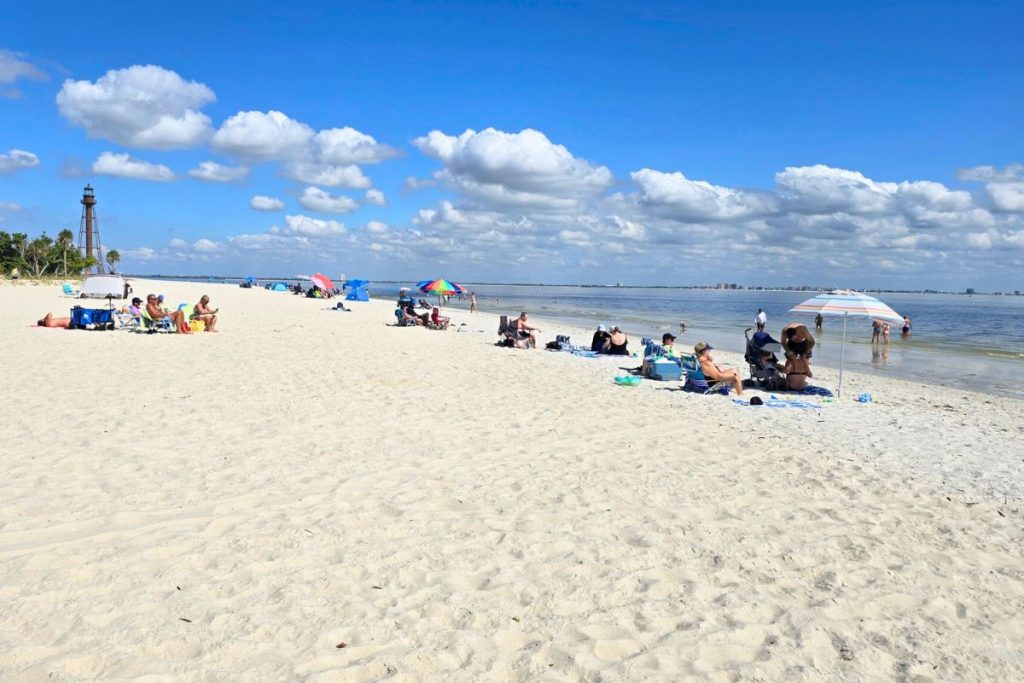
Not every beach visit here has to mean the same thing. Some beaches are best for shelling. Others are best for a scenic walk, a sunset, a family stop, or a more open stretch of sand. Understanding the differences helps you avoid the mistake of treating every beach access point as interchangeable.
Bowman’s Beach
This is one of the most talked-about beaches for good reason. It is especially loved for shelling and for a more natural-feeling beach experience. If you want one beach that captures the essence of Sanibel, Bowman’s Beach is a strong candidate. It is a place to walk slowly, look down often, and let time disappear.
Lighthouse Beach
Lighthouse Beach is one of the iconic names on Sanibel. Many first-time visitors are drawn to it because it feels like a classic Florida beach scene with a recognizable landmark. It works well for a scenic outing and for travelers who want a beach that is easy to associate with the island’s identity.
Captiva Beach and Sunset Areas
Captiva is where many people go when they want the emotional peak of the day: sunset. The color, mood, and slower evening atmosphere make this area especially memorable. If you are traveling as a couple, this part of the trip often becomes the moment you remember most clearly later.
Turner Beach and Blind Pass Area
This zone is often mentioned by travelers who enjoy stronger scenery, shoreline drama, and a beautiful setting between the islands. It is a great place to feel the meeting point of water, movement, and light. It is not always about spending a whole day there; sometimes it is about catching a specific mood.
The real strategy is not choosing a single “best” beach. It is matching the beach to the time of day and the purpose of the outing. For shelling, go when your energy is fresh and your attention is high. For photography, choose softer light. For rest, choose the beach that feels least demanding. For a memorable evening, prioritize sunset locations over convenience.

Best Things to Do on Sanibel and Captiva
1. Go shelling and learn the “Sanibel Stoop”
Shelling is not just a tourist activity here. It is part of the island identity. You will quickly notice people bending over along the beach in search of better finds, and that famous posture has earned its own nickname: the Sanibel Stoop. Even if you are not a collector, there is something satisfying about slowing down and paying attention to the small details the tide leaves behind.
The beauty of shelling is that it changes the pace of a beach day. You stop treating the shore as background and start engaging with it. Families love it because it turns a walk into discovery. Couples love it because it creates quiet moments together. Solo travelers love it because it is oddly meditative.
2. Explore the J.N. “Ding” Darling National Wildlife Refuge
This is one of the most meaningful experiences on Sanibel because it reveals why the island feels the way it does. The refuge reminds you that this destination is not only about beaches. It is also about ecosystems, tidal movement, mangroves, birdlife, and preserving the quiet beauty that makes the islands different from more heavily built-up places.
If you enjoy birds, photography, or simply peaceful scenic drives and boardwalk-style observation, do not skip this. It adds depth to the trip. Travelers who only do beaches can still have a great vacation, but travelers who include the refuge usually come away feeling they understood the islands better.
3. Visit the Bailey-Matthews National Shell Museum
This stop works especially well for families, rainy-day adjustments, and travelers who want context for what they are seeing on the beaches. Museums can sometimes feel optional on a beach trip, but here it makes sense. It enriches the shelling experience and connects the islands’ visual beauty to marine life and local identity.
4. Bike the island
Sanibel is one of those places where a bicycle does more than help you get around. It actually changes what you notice. You move slowly enough to appreciate details, but fast enough to cover meaningful ground. Stops feel easy. The island becomes more textured. You feel less like a visitor moving from parking lot to parking lot and more like someone participating in the place.
5. Spend an unhurried sunset evening on Captiva
Some destinations tell you to chase sunsets as if they are just one more item on the checklist. Captiva sunsets feel different because the whole environment supports them. The atmosphere, the pacing, the color, and the sense of pause all work together. This is a major reason many travelers recommend at least one evening on Captiva even if they stay on Sanibel.
6. Take a boat or water-based excursion
Seeing these islands from the water gives you another layer of understanding. Boat outings, wildlife tours, and kayaking options can turn the trip from “pleasant beach vacation” into something more vivid and memorable. Water-based experiences are especially valuable if you are staying several days and want one activity that breaks up the beach rhythm without destroying the calm tone of the trip.
7. Visit local history and cultural spots
Travelers sometimes underestimate how much history gives shape to a destination. Visiting a local museum or village site is not just about facts. It helps you understand why the islands look the way they do, how they developed, and why their low-key identity matters so much to the people who love them.
8. Give yourself time to do very little
This might sound like weak advice, but it is actually one of the most important planning insights for Sanibel and Captiva. These islands reward space in the schedule. If you overpack your days, you start experiencing them like any other destination. If you leave room to wander, stop, sit, and look, the trip becomes what it is meant to be.
Where to Eat and What Kind of Food Experience to Expect
Dining on Sanibel and Captiva is not about trying to conquer a giant restaurant scene. It is about choosing places that fit the mood of the day. Fresh seafood, laid-back island dining, colorful local institutions, and places that feel tied to the destination are what matter most here.
If you want something memorable and deeply tied to local identity, The Bubble Room on Captiva is one of those names that comes up repeatedly. It is the kind of restaurant that travelers remember not only for food, but for atmosphere, nostalgia, and character. It feels like part of the island story.
Doc Ford’s Rum Bar & Grille is often recommended by people who want a reliable meal in a setting that still feels rooted in the area. This is useful on a trip where you may not want every meal to be experimental. Some meals are about chasing the “best possible place,” while others are about having exactly the kind of easy, satisfying experience the day needs.
A smart food strategy here is to think in moments, not only in rankings. Plan one breakfast that starts a beach day right. Plan one casual lunch after time in the sun. Plan one sunset or evening meal that feels special. Then leave room for simple stops, key lime pie, seafood cravings, and spontaneous choices. That is more realistic than trying to optimize every meal.
Also, during a beach-heavy trip, hydration and pacing matter more than people expect. Many travelers overfocus on dinner reservations and underfocus on practical daytime needs. Carry water, eat earlier than you think when you are in the heat, and do not assume you will feel like making complicated food decisions after a long sun-filled day.
Travel Planning Tips for First-Time Visitors
The best Sanibel and Captiva trips are usually the ones that feel prepared but not rigid. You want enough structure to avoid stress, but enough openness to let the islands work their magic.
Plan your first full day lightly. Many travelers arrive with high expectations and then overload the first day. That often leads to rushing through the very atmosphere they came for. A better plan is to make your first full day about orientation: one great beach, one meal you are excited about, one scenic drive or bike ride, and one sunset.
Prioritize mornings. The light is softer, the air is more comfortable, wildlife viewing is better, and your energy is higher. A lot of the best island experiences feel most rewarding before midday.
Respect travel fatigue. If you are flying in, driving, checking in, unpacking, and adjusting to heat, your ideal version of the trip may not happen immediately. Build rest into the first evening rather than expecting a perfect high-output arrival day.
Think in trip moods. Do you want romance, family bonding, quiet reflection, shelling, beach relaxation, or active exploring? Once you know the emotional goal, it becomes easier to choose the right beaches, lodging, and pace.
Leave space between major stops. On islands like these, transitions matter. The stop for coffee, the roadside view, the extra ten minutes at the beach access, and the unplanned detour often become part of why the day feels rich instead of mechanical.
Mistakes to Avoid on a Sanibel and Captiva Trip
1. Treating the islands like a fast checklist destination
This is probably the biggest mistake. If you try to “conquer” Sanibel and Captiva too quickly, you flatten the experience. These islands are not about winning efficiency points. They are about letting the place shape the day.
2. Showing up to shell without patience
Shelling is rewarding partly because it asks you to slow down. People who expect instant results or only glance at the beach for five minutes often miss the joy of it. You do not need to be an expert. You just need attention and time.
3. Underestimating sun, heat, and hydration
Because the islands feel gentle, some visitors forget the practical intensity of Florida weather. Dehydration, sun fatigue, and midday exhaustion can quickly dull a trip. Build shade, water, and breaks into your days.
4. Booking a place that looks pretty but fits your trip badly
A stylish room does not fix a frustrating location. If you want easy beach access, sunset evenings, bike-friendly days, or family convenience, check those details first. Pretty photos are not planning.
5. Saving sunset for “later”
People assume they will get around to it, then weather changes or energy dips. Make at least one sunset a priority, especially on Captiva. It is one of the signature experiences of the area.
6. Ignoring weather flexibility
Florida weather is part of trip planning whether travelers like it or not. If your dates are weather-sensitive, use a flexible mindset and avoid building an itinerary so rigid that one disrupted afternoon ruins the whole trip.
Suggested 2-Day Sanibel and Captiva Itinerary
Day 1: Sanibel essentials
Arrive early if possible and start with a gentle orientation drive across the causeway. Check in, settle down, and avoid rushing into too many tasks. Head to Bowman’s Beach or Lighthouse Beach for your first real connection with the island. This is the day to understand the rhythm, not to exhaust yourself.
Have a relaxed lunch, then spend the afternoon doing one of two things: either rest fully and enjoy the beach, or add one meaningful nature-based stop such as the wildlife refuge. In the evening, keep dinner simple and satisfying. A calm first day usually sets up a much better second day.
Day 2: Wildlife, biking, and Captiva sunset
Start early with the J.N. “Ding” Darling National Wildlife Refuge or a morning bike ride. Mornings feel especially rewarding on Sanibel because the air is easier and the scenery feels more awake. Afterward, have a relaxed lunch and leave some time to freshen up.
In the late afternoon, head north toward Captiva. Do not treat this like a rushed transfer. Let it feel like the emotional second act of the trip. Explore a little, enjoy the atmosphere, and make sunset your anchor moment. End with dinner in Captiva before returning to your stay.
Suggested 3-Day Itinerary for a Deeper Experience
Day 1: Ease into island time
Check in, unpack slowly, and do not overcommit. Visit one beach, take a short walk, enjoy one memorable meal, and get to bed early enough to enjoy the next morning properly.
Day 2: Nature and classic Sanibel
Dedicate this day to the core Sanibel experience: shelling, biking, the wildlife refuge, and one or two island dining stops. If the weather is good, this can become your most complete Sanibel day.
Day 3: Captiva mood day
Use the final day to focus on atmosphere. Sleep in a little, enjoy breakfast without rushing, explore Captiva, spend time by the water, and let the day build toward sunset and dinner. This works especially well for couples, photographers, and anyone who wants the trip to end on a strong emotional note.
If you have extra time, consider adding one boat or water-based activity on either Day 2 or Day 3. That helps diversify the trip without making it feel cluttered.
Experience-Based Advice: Who Will Love This Trip Most?
Couples will likely love the balance of natural beauty and quiet romance. These islands do not force romance with clichés. Instead, they create room for it naturally through sunsets, walks, scenic meals, and a slower pace.
Families often find Sanibel especially rewarding because shelling, beach time, wildlife viewing, and biking are simple pleasures that work across ages. It is easier to build a family trip here around shared experiences rather than nonstop entertainment.
Solo travelers who enjoy peace, nature, journaling, photography, or beach walks will also find a lot to love. The destination suits introspective travel surprisingly well.
Travelers seeking nightlife or constant stimulation may feel underwhelmed. This is important to say honestly. Sanibel and Captiva are wonderful, but they are wonderful in a specific way. Knowing that before booking helps you appreciate them instead of expecting them to be something else.
The deepest advice is this: come here when you are ready to notice more. These islands are not only scenic. They are restorative. People who arrive in a rush often enjoy them. People who arrive willing to slow down tend to remember them.
Frequently Asked Questions
Is Sanibel or Captiva better for first-time visitors?
Sanibel is usually the better base for first-time visitors because it offers more flexibility, a practical layout, beach variety, and easier access to major experiences. Captiva is wonderful, but often works best as part of the trip rather than the only base unless you specifically want a more romantic, hideaway-style stay.
How many days do you need?
Two days can give you a satisfying introduction. Three days feels more complete. Four or more days is ideal if you want a genuinely relaxed beach-and-nature trip without feeling rushed.
Is it worth visiting both islands in one trip?
Yes. In fact, doing both often creates a richer experience because Sanibel and Captiva complement each other. One gives you breadth and rhythm, the other gives you atmosphere and emotional highlights.
Is shelling really that special there?
Yes. Even travelers who do not consider themselves shell collectors often end up enjoying it because it changes the way they engage with the beach. The experience is simple, calming, and very tied to the island identity.
Can you do the trip on a moderate budget?
Yes, but budgeting depends heavily on season, lodging style, and how much dining out you plan to do. Staying slightly more practically, mixing restaurant meals with simple food choices, and focusing on beach and nature experiences can keep the trip more manageable.
What should you pack?
Pack light but smart: breathable clothes, strong sunscreen, sandals plus one pair of comfortable walking shoes, reusable water bottle, beach bag, light layer for indoor air-conditioning, and a mindset ready for sun, nature, and slower days.
Final Thoughts
Sanibel and Captiva are not just beaches you visit. They are places that can gently reset your pace. That is their real strength. They give you enough beauty to feel inspired, enough simplicity to feel calm, and enough character to feel like the trip meant something.
For first-time visitors, the smartest approach is to come with curiosity instead of pressure. You do not need to perform the islands perfectly. You do not need the most ambitious itinerary. You do not need to turn every hour into content. Walk the beach. Look for shells. Watch the birds. Let one meal run long. Keep one sunset sacred. Pay attention to how differently a destination can feel when it is not shouting for attention.
If what you want is a Florida trip that feels scenic, restorative, and genuinely memorable, Sanibel and Captiva remain one of the most rewarding choices. And for many travelers, the surprise is not that the islands are beautiful. It is that they make beauty feel unforced.
That is rare. And that is exactly why so many people return.


